
Unlocking Potential: Chiropractic Support for Children with Autism
Understanding Autism and Complementary Care Options

Autism chiropractic care is a complementary approach focused on optimizing nervous system function. Through gentle spinal adjustments, it aims to support the body's ability to manage stress, improve sensory processing, and improve overall well-being in children with Autism Spectrum Disorder (ASD). While it does not treat or cure autism, many parents report improvements in challenges like sleep disturbances, digestive issues, and behavioral regulation.
Quick Answer: What Parents Need to Know
What it is: Gentle spinal adjustments aimed at reducing nervous system interference.
Potential benefits: May help with sleep, digestion, sensory issues, and stress regulation.
Not a cure: Does not treat autism itself, but may improve quality of life.
Evidence level: Limited large-scale studies; mostly case reports and parent testimonials.
Safety: Generally considered safe when performed by qualified pediatric chiropractors.
Best approach: Works best as part of a comprehensive care plan with other therapies.
For families supporting a child with ASD, the search for supportive therapies can feel overwhelming. Many children with autism experience sensory overload, sleep problems, and heightened anxiety. This leads parents to ask: Is there anything that can help my child feel more comfortable?
Chiropractic care offers one potential avenue of support. The theory is that by addressing physical stress on the nervous system, a child's body may find better balance. It's important to set realistic expectations: chiropractic care cannot cure autism. The scientific evidence is still developing, but many families report meaningful improvements in their child's daily functioning and comfort.
I'm Dr. Michelle Andrews, founder of ChiroHer in Oklahoma City. I've worked with many families seeking gentle, holistic support for pediatric concerns. My goal is to provide honest, evidence-based information about how autism chiropractic care may complement other therapies, so you can make informed decisions for your child.
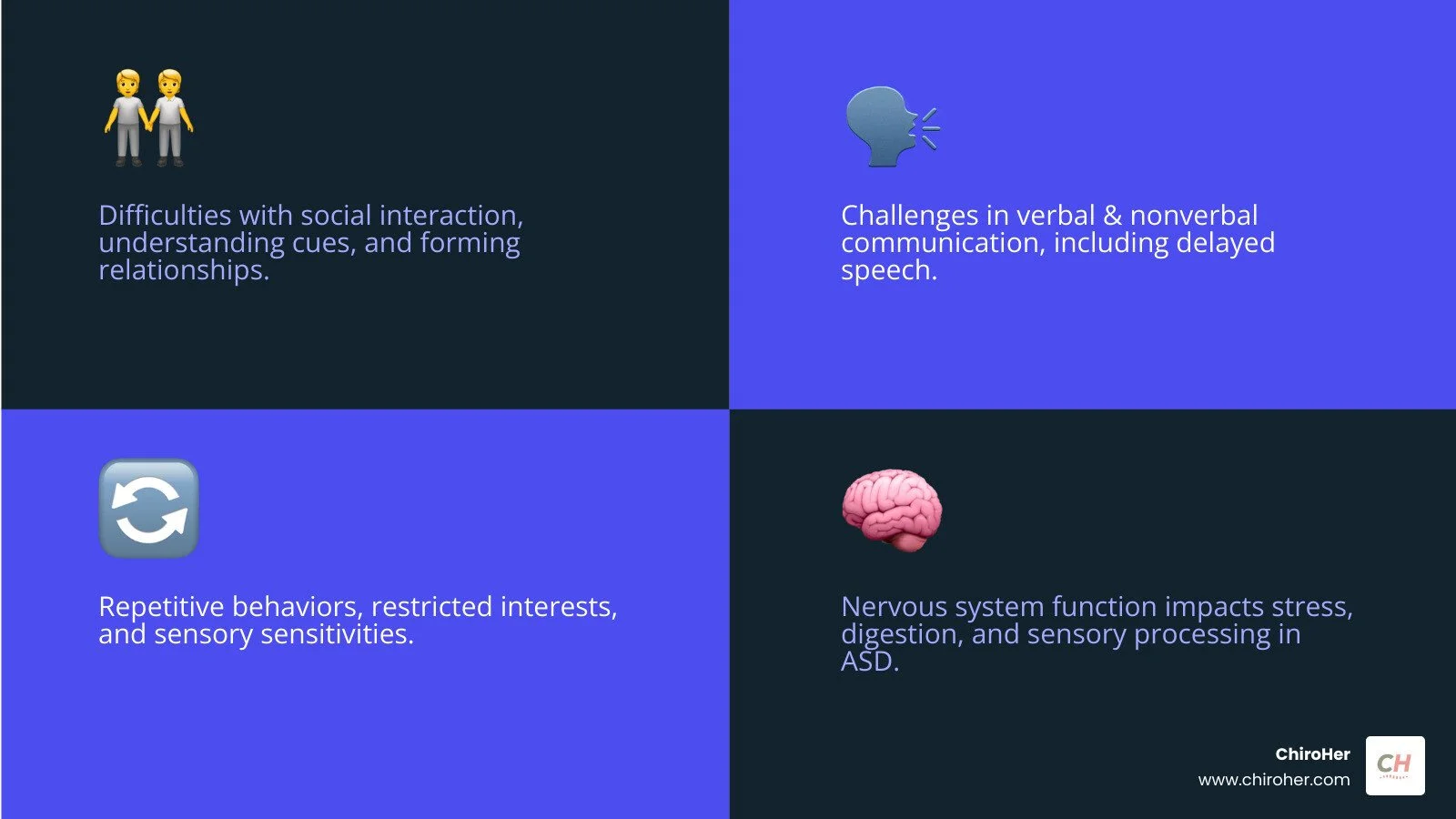
A Comprehensive Guide to Autism Chiropractic Care
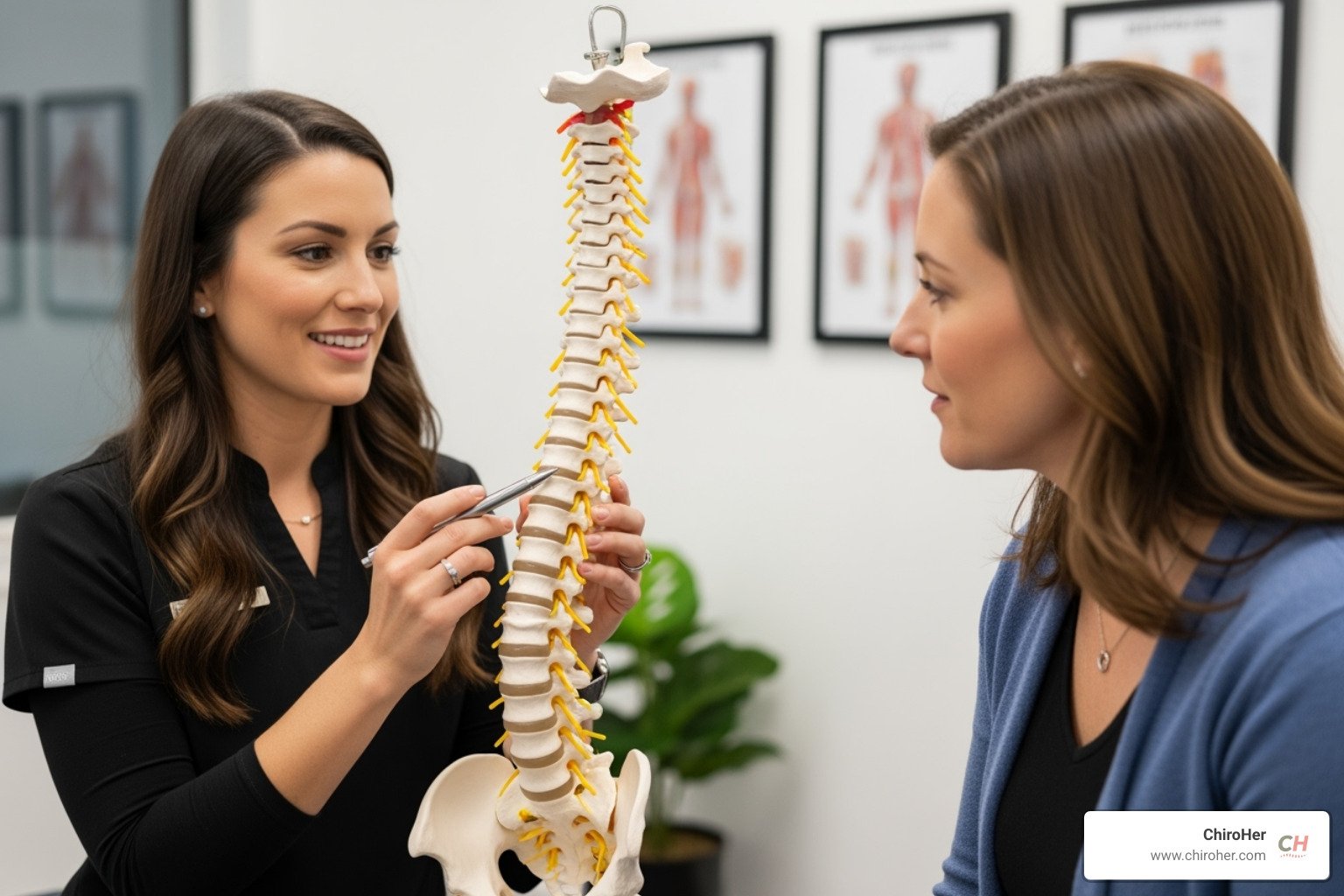
The Theory Behind Autism Chiropractic Care
Chiropractic care focuses on the relationship between the spine and the nervous system. The spine protects the spinal cord, the main communication highway between the brain and the body. Chiropractors work with the concept of "vertebral subluxations," or misalignments in the spine that may interfere with this communication.
Modern, neurologically-focused chiropractic care observes that many children with autism have a nervous system that is constantly in "fight or flight" mode. This imbalance, called dysautonomia, can contribute to anxiety, sensory sensitivities, and sleep issues. The goal of autism chiropractic care is to support the nervous system's ability to find better balance. By using gentle adjustments, particularly in the upper neck, chiropractors aim to reduce nerve interference and support the function of the vagus nerve, which helps the body calm down. The focus is on supporting the whole child, not a specific condition. You can learn more about our general approach to Chiropractic Care.
Reported Benefits for Autism-Related Challenges
While every child responds differently, many families report meaningful improvements in several areas. These are often related to the secondary challenges that affect a child's quality of life.
Sensory Processing: Chiropractic care may help regulate how the brain interprets sensory input. Parents report children becoming less overwhelmed by sounds, lights, and textures.
Behavioral Regulation: By calming an overactive nervous system, care may help reduce the internal stress that leads to meltdowns and repetitive, self-soothing behaviors.
Communication Improvements: While not a replacement for speech therapy, some parents notice their children become more emotionally engaged, make better eye contact, or show more interest in communicating.
Sleep Patterns: Helping the nervous system shift from "fight or flight" to "rest and digest" mode may support more restful and consistent sleep.
Gastrointestinal Issues: Nerve interference can affect digestive function. Adjustments may help restore proper nerve signaling to the gut, improving issues like chronic constipation.
Reduced Anxiety and Stress: Calming the nervous system's stress response can help children feel safer and more at ease, leading to reports of them being more focused and less anxious.
For more information about how we use gentle techniques, visit our Manual Therapy page.
What the Science Says: A Look at the Evidence
When considering autism chiropractic care, it's important to look at the research. The scientific evidence supporting chiropractic care specifically for autism symptoms is currently limited. The medical community generally agrees that while chiropractic is effective for musculoskeletal issues, large-scale studies on its effect on core autism symptoms are lacking.
A systematic review from 2016 found very little high-quality research on the topic, concluding there was insufficient evidence. Without rigorous clinical trials, it's difficult to separate treatment effects from other factors like the placebo effect or natural development.
Regulatory bodies like the Chiropractic Board of Australia have also expressed concern about misleading claims. They emphasize that practitioners must be honest about the limitations of care. At ChiroHer, we are transparent about what we know and what we don't. Our focus is on supporting overall nervous system health, not on treating or curing autism itself. Learn more about our approach and our commitment to ethical care.
Common Approaches and Potential Risks
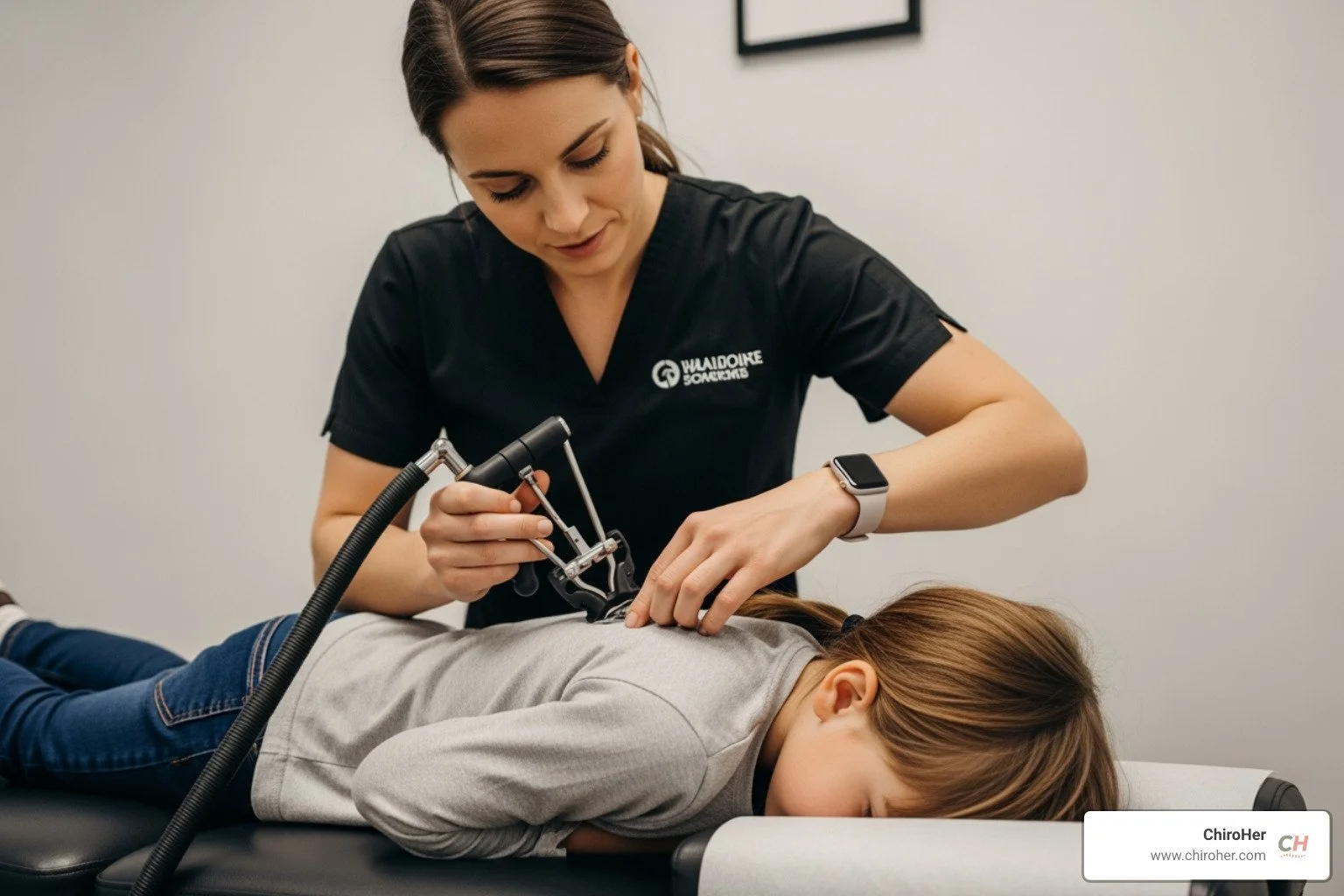
Practitioners use various gentle techniques adapted for children. These may include:
Diversified Manual Adjusting: Hands-on adjustments using light, controlled pressure.
Upper Cervical Techniques: Focus on the top two vertebrae in the neck to influence brainstem function.
Cranial Adjusting: Extremely gentle manipulation of the skull bones.
Applied Kinesiology: Uses muscle testing to assess body function and guide treatment.
Neurologically-Focused Care: Employs technology like INSiGHT scans to measure and improve nervous system balance.
When performed by a qualified pediatric chiropractor, care is generally considered safe. The primary risks are not physical but rather the financial and opportunity costs. Investing in unproven therapies could delay access to established interventions like behavioral, speech, or occupational therapy. This is why informed consent is so important. Before starting care, you should understand the research, realistic outcomes, and how chiropractic fits into your child's overall treatment plan. Finding a chiropractor with pediatric training and experience is key.
Integrating Chiropractic with Other Therapies
Comprehensive support for a child with autism works best with a collaborative approach. Autism chiropractic care should complement, not replace, other evidence-based therapies.
Conventional Therapies: Most children benefit from behavioral therapy (like ABA), speech therapy, and occupational therapy. These are cornerstones of autism support.
Nutrition: Diet plays a significant role. Many children with autism have GI issues or food sensitivities. Some families explore elimination diets or specific nutrients like vitamin B12 and omega-3s with their healthcare team.
Collaboration: Open communication between your child's doctor, therapists, and chiropractor creates the best outcomes. A holistic approach means looking at the whole child: their physical body, emotional state, and nutritional needs. When therapies work together, they can reinforce each other, leading to greater improvements in quality of life.
Practical Guidance for Parents
If you're considering autism chiropractic care, here is what you can expect.
First Visit: The initial consultation involves a detailed history and a gentle, non-invasive assessment of your child's nervous system using tools like INSiGHT scanning technology.
Treatment Sessions: Adjustments for children use very light pressure. We work to create a calm, predictable environment to help your child feel comfortable and in control.
Frequency and Duration: A care plan is based on your child's individual needs. It might start with more frequent visits (e.g., three times a week) and decrease over time as improvements are seen. A course of care can range from a few months to a year.
Costs and Insurance: An initial assessment may range from $80 to $110, with follow-up visits typically costing $50 to $90. Coverage depends on your insurance plan, so it's best to call your provider directly to confirm.
Before committing, ask questions. A good practitioner will welcome them. Inquire about their pediatric experience, their philosophy of care, the techniques they use, and how they measure progress. Trust your intuition and find a provider who is a good fit for your family.
We're here to help you make the best decisions for your child. If you'd like to discuss your child's needs, you can schedule a consultation with us.
Your Partner in Holistic Wellness in Oklahoma City

At ChiroHer in Oklahoma City, we've created a space where families feel heard and cared for. While known for our award-winning prenatal and women's health care, we apply the same gentle, personalized approach to our work with children.
Our focus is on supporting your child's nervous system to provide a strong foundation for growth and comfort. We take the time to understand your child's unique needs and use a holistic approach that considers physical, chemical, and emotional factors. Our upscale, comfortable clinic is designed to make every visit a positive, relaxing experience.
If you're in Oklahoma City, Yukon, Edmond, or the surrounding areas and are considering autism chiropractic care as part of your child's support system, we invite you to reach out. We are happy to answer your questions and explore if our approach is the right fit for your family.
Taking the first step is simple. Book an appointment now and experience the difference that personalized, compassionate care can make.
This guide is for informational purposes and is not a substitute for already established medical advice from your healthcare provider.