
The Power Duo: Everything You Need to Know About TENS and EMS Units
Why Understanding TENS Unit and EMS Matters for Pain Relief
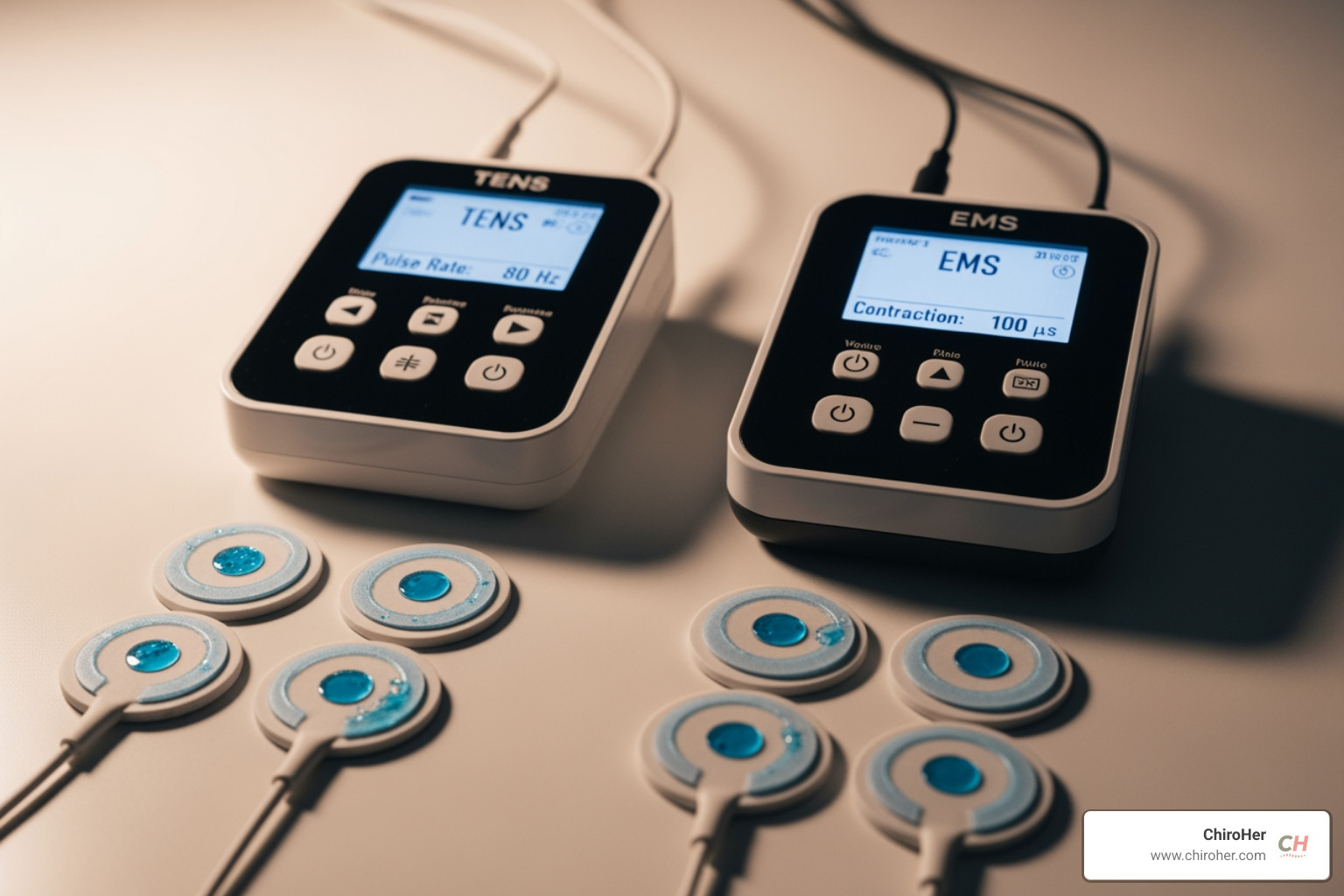
TENS unit and EMS are two distinct electrical stimulation therapies that often get confused, but they serve very different purposes. Here is what you need to know:
| Feature | TENS (Transcutaneous Electrical Nerve Stimulation) | EMS (Electronic Muscle Stimulation) |
|---|---|---|
| Primary Purpose | Pain relief | Muscle strengthening and rehabilitation |
| Target | Sensory nerves | Motor nerves and muscles |
| Sensation | Tingling, buzzing (comfortable) | Muscle twitching or contraction |
| Common Uses | Chronic pain, arthritis, post-surgery pain, labor pain | Physical therapy, post-injury recovery, preventing muscle atrophy |
| Intensity | Low to moderate | Moderate to high (enough to cause contraction) |
If you are dealing with chronic pain or recovering from an injury, it is important to understand the difference between these two therapies. While both use electrical currents delivered through skin electrodes, TENS targets your nerves to block pain signals, while EMS targets your muscles to trigger contractions.
The confusion is understandable. The devices look similar, use adhesive electrode pads, and are available over the counter. However, using the wrong one for your condition means you will not get the desired results.
Hi! I am Dr. Michelle Andrews, founder of ChiroHer in Oklahoma City, and I have helped hundreds of patients steer their pain management options, including when and how to use TENS unit and EMS therapies effectively. Through my work with expecting mothers, athletes, and patients managing chronic pain, I have seen how these technologies can complement chiropractic care when used correctly.
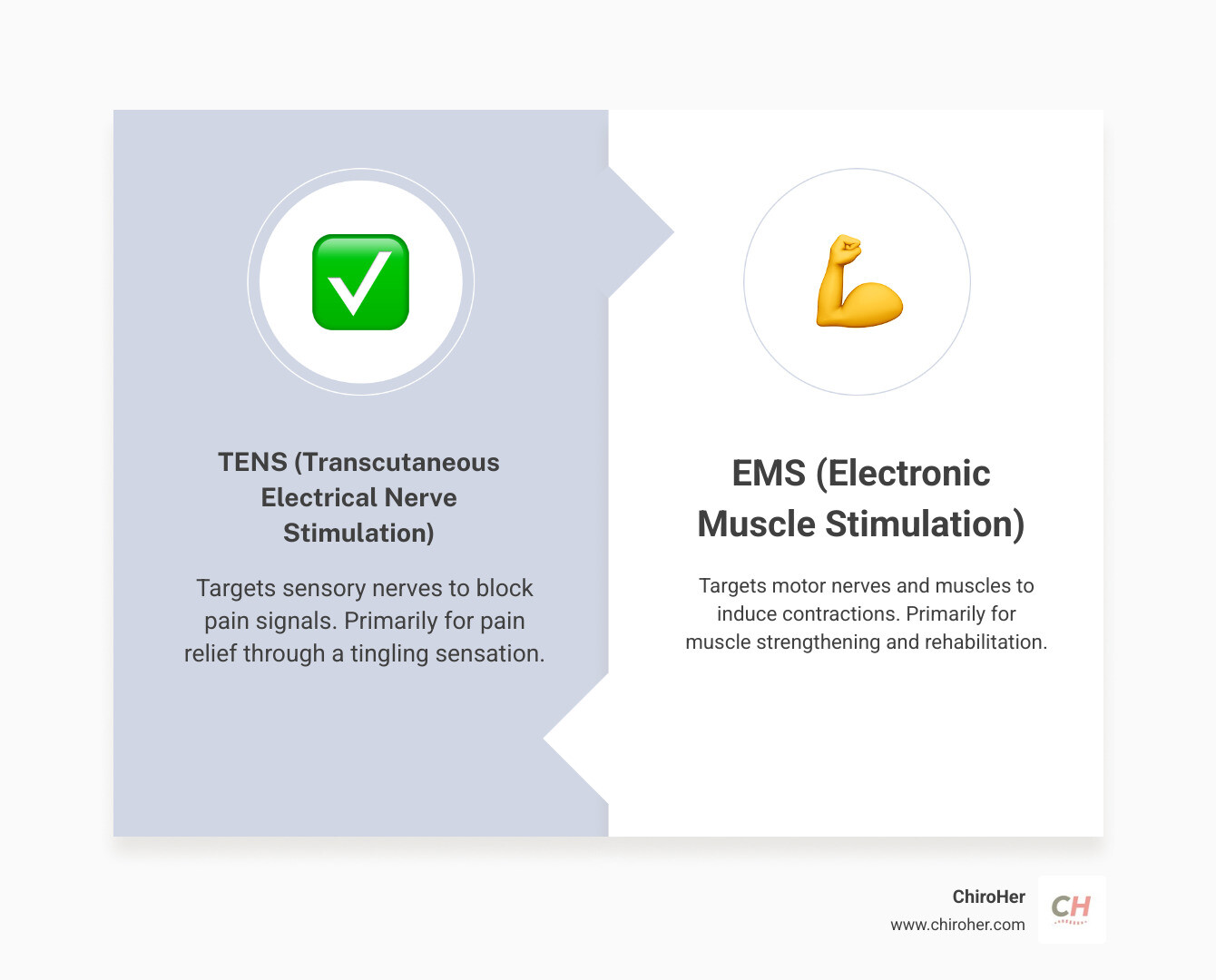
TENS vs. EMS: A Detailed Comparison
When we talk about electrical stimulation, it is easy to lump everything together. However, TENS (Transcutaneous Electrical Nerve Stimulation) and EMS (Electronic Muscle Stimulation) are two different tools in our wellness toolbox, each designed for a specific job. While both involve sending gentle electrical impulses to your body, their targets and goals are distinct.
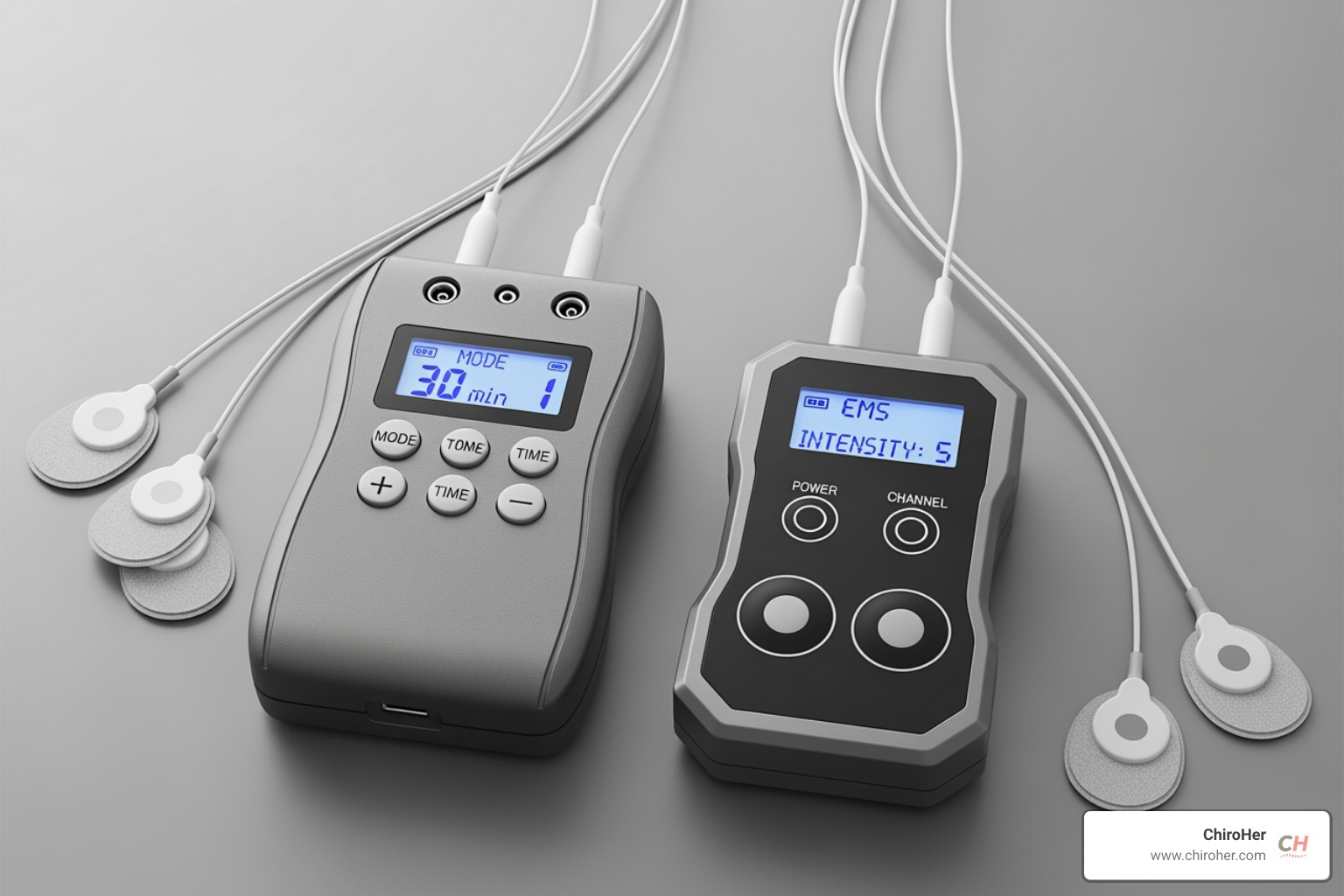
Purpose and Application: Pain Relief vs. Muscle Training
Let us break down the primary roles of each device.
TENS units are primarily focused on pain management. A TENS unit works by sending signals to your nerves that can "close the gate" on pain messages before they reach your brain. This is known as the Gate Control Theory of Pain. TENS can also encourage your body to release its natural painkillers, like endorphins, which can provide a sense of well-being. We often recommend TENS for:
- Acute pain, such as post-surgical discomfort or recent injuries.
- Chronic pain conditions like arthritis, fibromyalgia, and chronic low back pain.
- Neuropathic pain, which stems from nerve damage.
- Labor pain, offering a non-pharmacological option for comfort.
- Menstrual pain and headaches.
On the other hand, EMS units are all about muscle strengthening, rehabilitation, and recovery. Instead of distracting nerves from pain, EMS directly stimulates motor nerves, causing your muscles to contract and relax. Think of it as a workout for your muscles without you having to consciously engage them. This can be beneficial for:
- Rehabilitating muscles after an injury or surgery, helping to prevent atrophy and regain strength.
- Neuromuscular re-education, helping your brain reconnect with muscles.
- Enhancing athletic performance by improving muscle strength and endurance.
- Aiding in muscle recovery after intense workouts by promoting blood flow.
Here is a quick table to summarize their core differences:
| Feature | TENS (Transcutaneous Electrical Nerve Stimulation) | EMS (Electronic Muscle Stimulation) |
|---|---|---|
| Target | Sensory nerves (primarily) | Motor nerves, leading to muscle fibers |
| Goal | Pain relief, pain signal modulation | Muscle contraction, strengthening, rehabilitation |
| Sensation | Tingling, buzzing, vibrating (comfortable) | Muscle twitch, contraction, "grabbing" sensation |
| Common Uses | Chronic pain, acute pain, neuropathic pain, labor pain, headaches, fibromyalgia, menstrual pain, sports injuries | Post-surgery rehabilitation, muscle atrophy prevention, muscle strengthening, athletic recovery, neuromuscular re-education |
| Physiological Effect | Blocks pain signals, releases endorphins | Causes involuntary muscle contractions |
How They Work: The Science Behind a TENS unit and EMS
The function behind both TENS unit and EMS lies in how they interact with your body's electrical system. For TENS, the electrical impulses primarily target sensory nerves. The gentle current stimulates specific nerve fibers, which can overwhelm pain signals traveling along other pathways, effectively "closing the gate" at the spinal cord level. This is the Gate Control Theory of Pain.
Beyond this direct blocking effect, TENS also encourages your body to produce its own pain-relieving chemicals, like endorphins. It is a coordinated interplay of electrical signals and neurochemicals working together for your comfort.
EMS operates differently. Its target is not pain sensation, but muscle activation. The electrical impulses are designed to reach motor nerves, which then transmit signals to muscle fibers, causing an involuntary contraction. This forced contraction can lead to several benefits:
- Muscle Strengthening: Repeated contractions can build muscle strength, especially when voluntary movement is limited.
- Preventing Atrophy: For immobilized muscles, EMS can help maintain muscle mass.
- Improved Neuromuscular Efficiency: EMS can improve the communication pathway between your brain and muscles.
Research has shown the potential of EMS in various applications. A 2012 study evaluated the use of EMS among elite athletes and concluded that these devices were a promising alternative to traditional strength training. You can read more about scientific research on EMS for athletes.
Evidence and Effectiveness
The effectiveness of both TENS and EMS has been a topic of extensive research. For TENS, while some broad reviews find the evidence for chronic pain inconclusive, other studies show more positive results. TENS has shown promise in managing specific types of pain:
- Acute Pain: TENS can significantly reduce pain in acute settings, such as post-surgical recovery.
- Chronic Musculoskeletal Pain: TENS can provide relief for conditions like knee osteoarthritis and chronic low back pain.
- Neuropathic Pain: TENS may offer symptomatic relief for patients with peripheral neuropathy.
- Labor Pain: Some studies suggest TENS provides modest benefits during labor.
- Fibromyalgia: TENS has been shown to reduce movement-evoked pain and fatigue.
The key to effectiveness with TENS often lies in using a "strong, but comfortable" sensation. Studies have shown that stronger intensities produce a greater analgesic effect. For more information, you can check out this scientific research on TENS for pain control.
EMS has a strong and consistent body of evidence, particularly in rehabilitation. It is effective for starting muscle recovery after orthopedic surgeries, such as ACL repair. It is also beneficial for individuals with muscle weakness and for athletic recovery.
Safety and Regulation of a TENS unit and EMS
Safety is always our priority. While generally considered safe when used correctly, there are important contraindications and potential side effects to be aware of.
Contraindications: We advise against using TENS or EMS in certain situations:
- Pacemakers or Implanted Electrical Devices: The electrical currents can interfere with these devices.
- Epilepsy: Stimulation could potentially trigger seizures.
- Heart Conditions: We recommend consulting a healthcare provider before use.
- Cancer: Avoid placing electrodes over known or suspected cancerous lesions.
- Pregnancy: While TENS can be used for labor pain, we advise against using it on the abdomen or lower back during early pregnancy. Always consult with your healthcare provider.
- Over the Eyes or Broken Skin: Never apply electrodes directly over the eyes or on broken skin.
Potential Side Effects: The most common issue is skin irritation or redness at the electrode site. Less commonly, some users have reported nausea and dizziness.
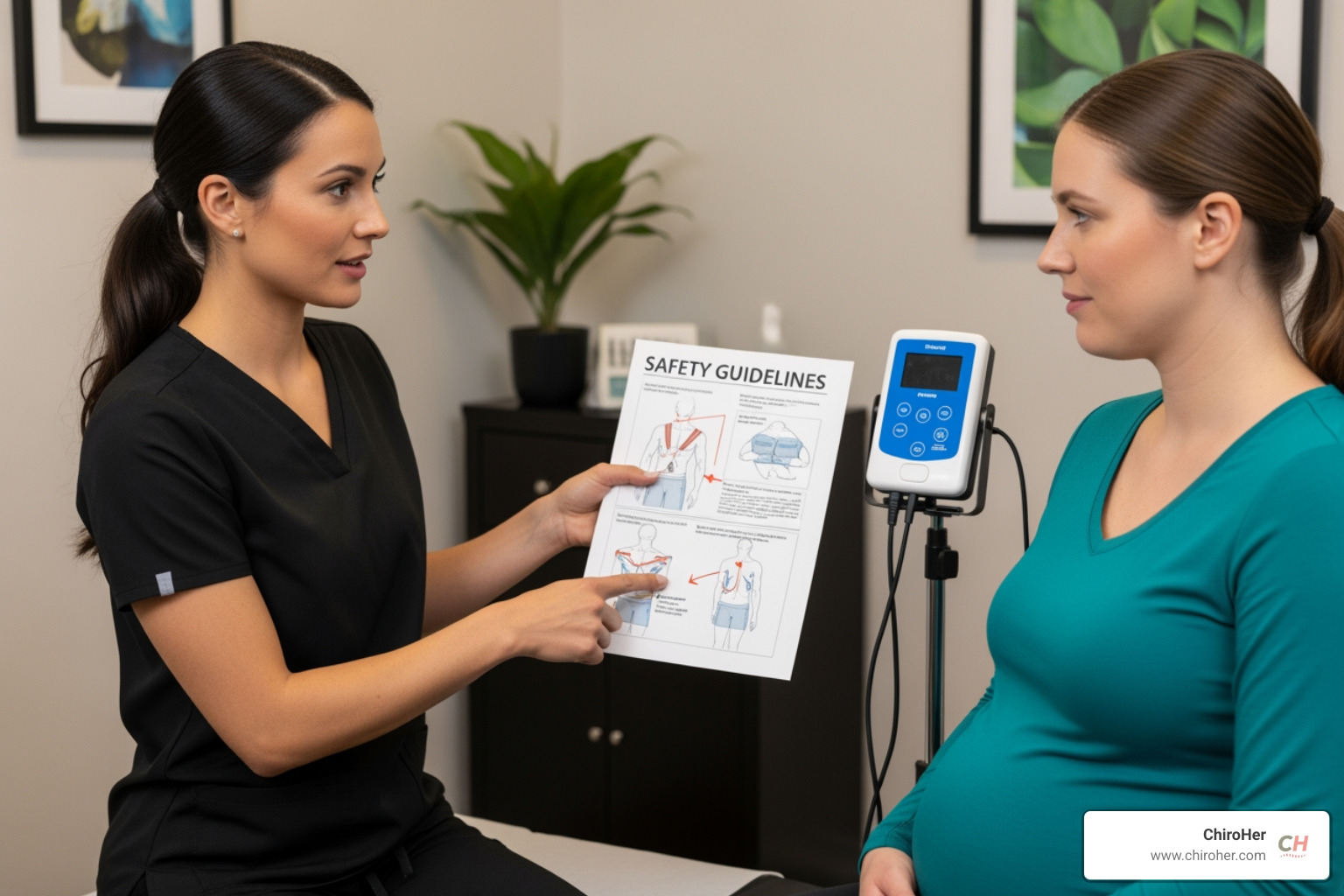
FDA Regulation: Both TENS and EMS units are considered medical devices by the U.S. Food and Drug Administration (FDA). This means manufacturers must meet certain standards. When considering a device, it is important to ensure it is FDA approved. Be cautious of any product making exaggerated claims. You can find more information about FDA regulation of consumer medical products.
It is clear that while these devices offer potential benefits, responsible use and professional guidance are important.
Making the Right Choice for Your Needs

Deciding whether a TENS unit or EMS is right for you can feel like a big decision. The good news is that we are here to help you make an informed choice that aligns with your health goals.
Optimizing Your Treatment
The effectiveness of TENS and EMS is not just about having the device; it is about how you use it. Proper setup and understanding the parameters are important for getting the most out of your therapy.
Understanding Settings:
- Frequency (Hz): This is the number of electrical pulses per second. Different frequencies can target different types of pain relief or muscle contraction.
- Intensity (Amplitude): This is the strength of the electrical current. For TENS, the goal is a "strong, but comfortable" tingling sensation. For EMS, it is strong enough to cause a visible muscle contraction.
- Pulse Width (Duration): This is how long each electrical pulse lasts, measured in microseconds. This setting helps target specific nerve or muscle fibers.
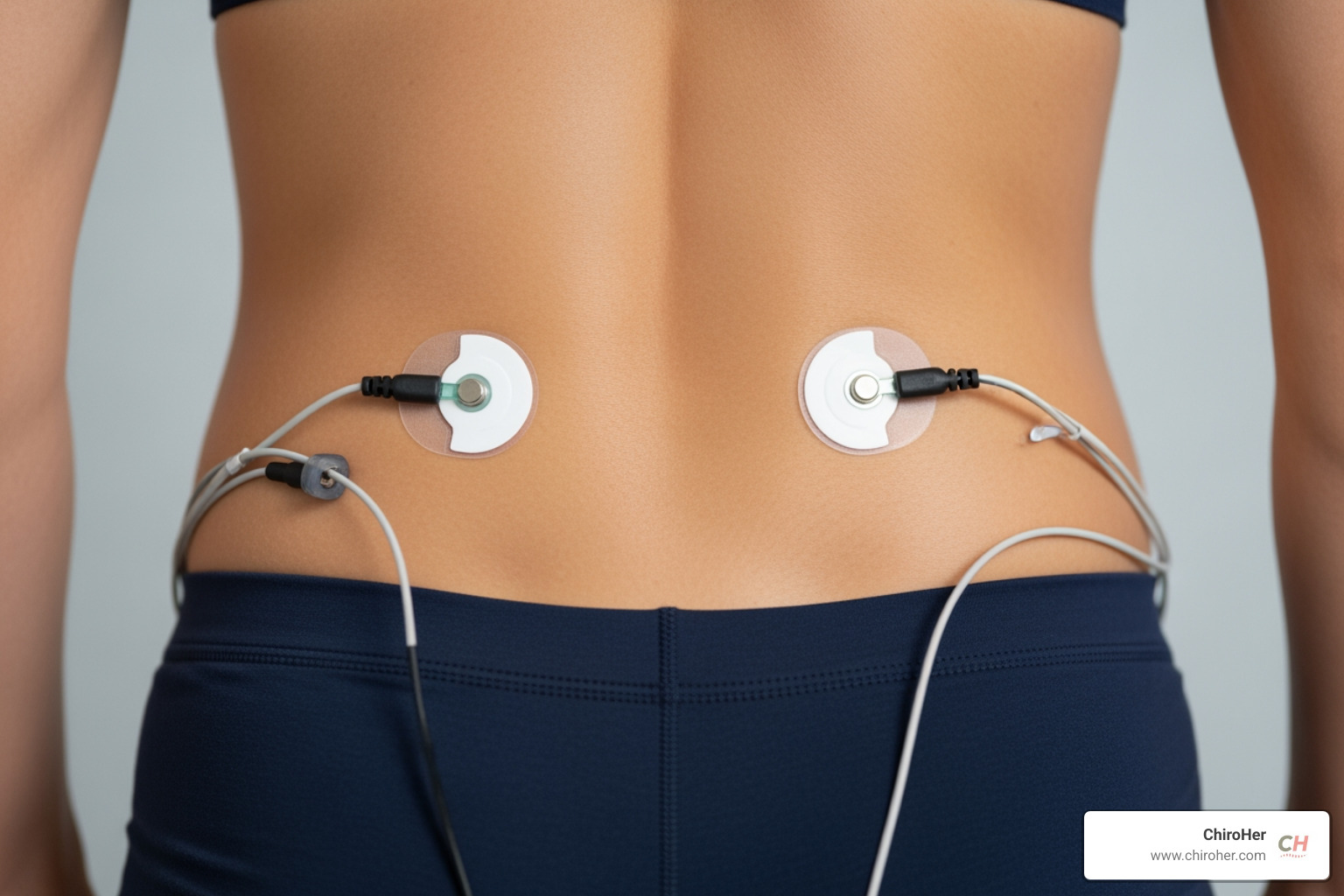
Proper Electrode Placement: Where you place the electrodes makes a noticeable difference. For TENS, they are typically placed around the painful area. For EMS, they are placed directly on the muscle belly you want to stimulate.
Avoiding Analgesic Tolerance: Your body can sometimes get used to TENS, leading to decreased effectiveness. To address this, we recommend:
- Taking short breaks from treatment.
- Modulating between high and low frequencies.
- Gradually increasing the intensity daily as tolerated.
- Varying the placement of electrode pads.
Here are some tips for effective use:
- Always apply electrodes to clean, dry, intact skin.
- Check your electrode pads regularly and replace them when they lose their stickiness.
- Experiment with different programs and settings to find what works best for you.
- Ensure the device is turned off before applying or removing electrodes.
When to See a Professional
While over-the-counter TENS and EMS units are available, self-treatment carries risks, especially without a proper diagnosis. We emphasize the importance of consulting with a healthcare professional before starting any new therapy.
At ChiroHer, serving Oklahoma City, Yukon, Edmond, Nichols Hills, Del City, Mustang, and Moore, we focus on personalized, patient-centered care. We can help you:
- Get a Proper Diagnosis: Understanding the root cause of your pain or muscle weakness is the first step.
- Develop a Personalized Treatment Plan: We will assess your needs and create a plan that might integrate chiropractic care, acupuncture, and, when appropriate, TENS or EMS.
- Optimize Device Usage: If TENS or EMS is suitable, we can guide you on the correct settings and placement to support benefits.
- Combine Therapies: Often, TENS and EMS work best as part of a broader wellness approach. For example, EMS can support mobility in chronic pain conditions, while TENS helps relieve the pain.
TENS and EMS are not cures, but they are tools for managing symptoms and aiding recovery. Our goal is to give patients knowledge and practical solutions. If you are curious about how these therapies might fit into your wellness plan, we invite you to schedule a consultation with us.
This article is for informational purposes only and does not constitute medical advice. The information contained herein is not intended to be a substitute for professional medical advice, diagnosis, or treatment. Always seek the advice of your physician or other qualified health provider with any questions you may have regarding a medical condition. Never disregard professional medical advice or delay in seeking it because of something you have read in this article.