
Tape Like a Pro: Your Go-To Guide for Supportive Taping
Why Supportive Taping Is a Game-Changer for Pain Relief and Recovery
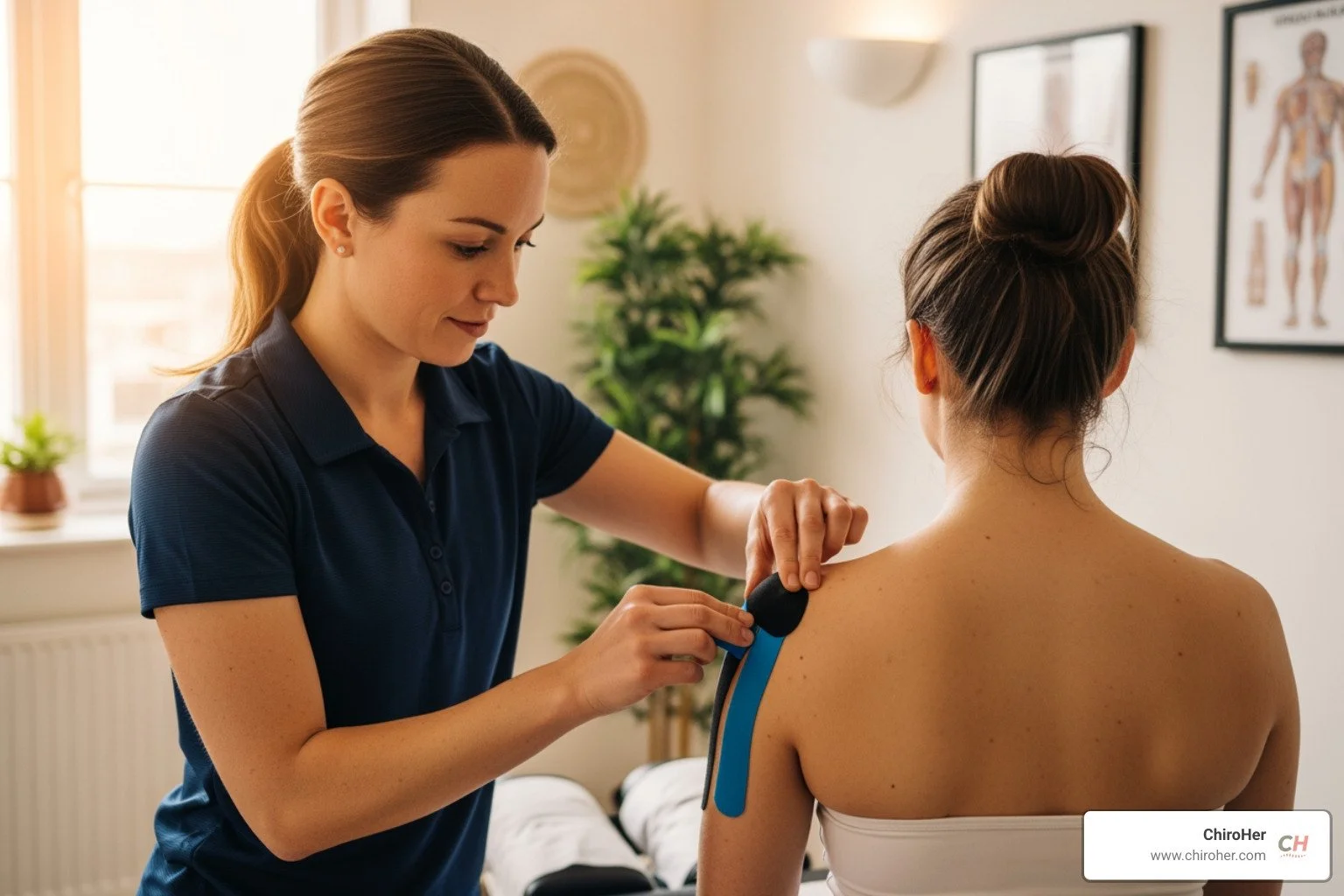
Supportive taping techniques are methods that use specialized tape to help your body move better, feel less pain, and recover faster. Whether you're managing pregnancy discomfort, recovering from an injury, or dealing with everyday aches, taping offers a drug-free way to support your body.
Quick Overview: What Supportive Taping Can Do for You
Reduce Pain: Lifts skin to reduce pressure on pain receptors.
Support Joints and Muscles: Provides stability without restricting movement.
Improve Circulation: Helps reduce swelling and speeds healing.
Improve Body Awareness: Gives your brain better feedback about posture and movement.
Prevent Re-injury: Protects vulnerable areas during activity.
From long hours at a desk to the physical demands of parenting, modern life takes a toll on the body. Taping has become a trusted tool because it works with your body's natural healing process.
There are three main types of supportive taping: traditional athletic tape (rigid), kinesiology tape (flexible), and therapeutic tape (for posture and circulation). Each serves a different purpose, and correct application is key to getting results. Many people struggle with DIY taping because of common errors like overstretching the tape or poor anchoring, which is why understanding the basics is so important.
Hi! I'm Dr. Michelle Andrews, founder of ChiroHer in Oklahoma City. I've used supportive taping techniques with hundreds of patients, from expecting mothers to athletes, and have seen how effective it is when done correctly. In this guide, I'll walk you through what you need to know to tape effectively, avoid common mistakes, and recognize when to seek professional help.
Introduction to Supportive Taping
What is Supportive Taping and How Does It Work?
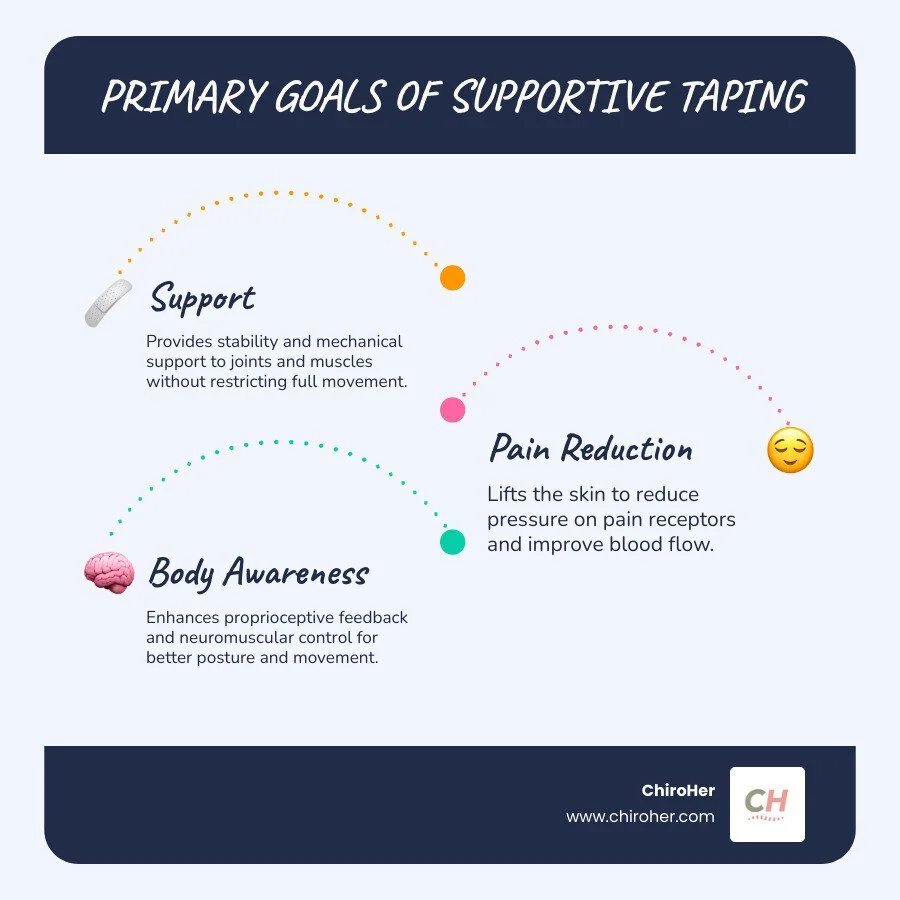
Supportive taping techniques work with your body to reduce pain, provide support, and improve body awareness. When applied, the tape gently lifts the skin, creating space for better blood and lymphatic flow. This helps flush out inflammation and deliver oxygen to the injured area, often providing quick relief.
Your skin has receptors that tell your brain about your body's position, a sense called proprioception. Taping stimulates these receptors, giving your brain better feedback. This can be a game-changer for improving posture, as the tape acts as a gentle reminder to your muscles to maintain proper alignment. This improved awareness also helps with neuromuscular control, waking up underactive muscles and calming overactive ones. The feeling of stability can also provide a psychological boost, giving you more confidence to move during recovery.
The Main Types of Supportive Taping
Different tapes serve different purposes, so choosing the right one is important.
Traditional Athletic Tape: This is a rigid, inelastic tape used for maximum stabilization. Its primary job is to restrict movement, making it ideal for acute injuries like a severe ankle sprain where you need to prevent further damage. It limits the range of motion and is not intended for long-term wear.
Kinesiology Tape: This is the popular colorful, stretchy tape designed to mimic the skin's elasticity. It allows for a full range of motion while providing support. It works by lifting the skin to improve circulation, reduce pain, and provide proprioceptive feedback. Because it's versatile and can be worn for several days, it's a go-to for many conditions at ChiroHer.
Therapeutic Taping: This is a broader term for techniques using rigid or elastic tape for specific goals, such as correcting posture or managing muscle tension. For example, McConnell taping is a technique used for knee pain to improve kneecap tracking. The tape and method depend on the therapeutic goal.
A Practical Guide to Supportive Taping Techniques
Key Principles for Correct Tape Application
Getting tape to work correctly and stay on requires a few key steps. These tips help prevent peeling and skin irritation.
Prep the Skin: Start with clean, dry skin. Use rubbing alcohol to remove any oils, lotions, or sweat that can prevent the tape from sticking.
Manage Hair: For hairy areas, trim or shave the hair beforehand. This ensures better adhesion and makes removal much less painful.
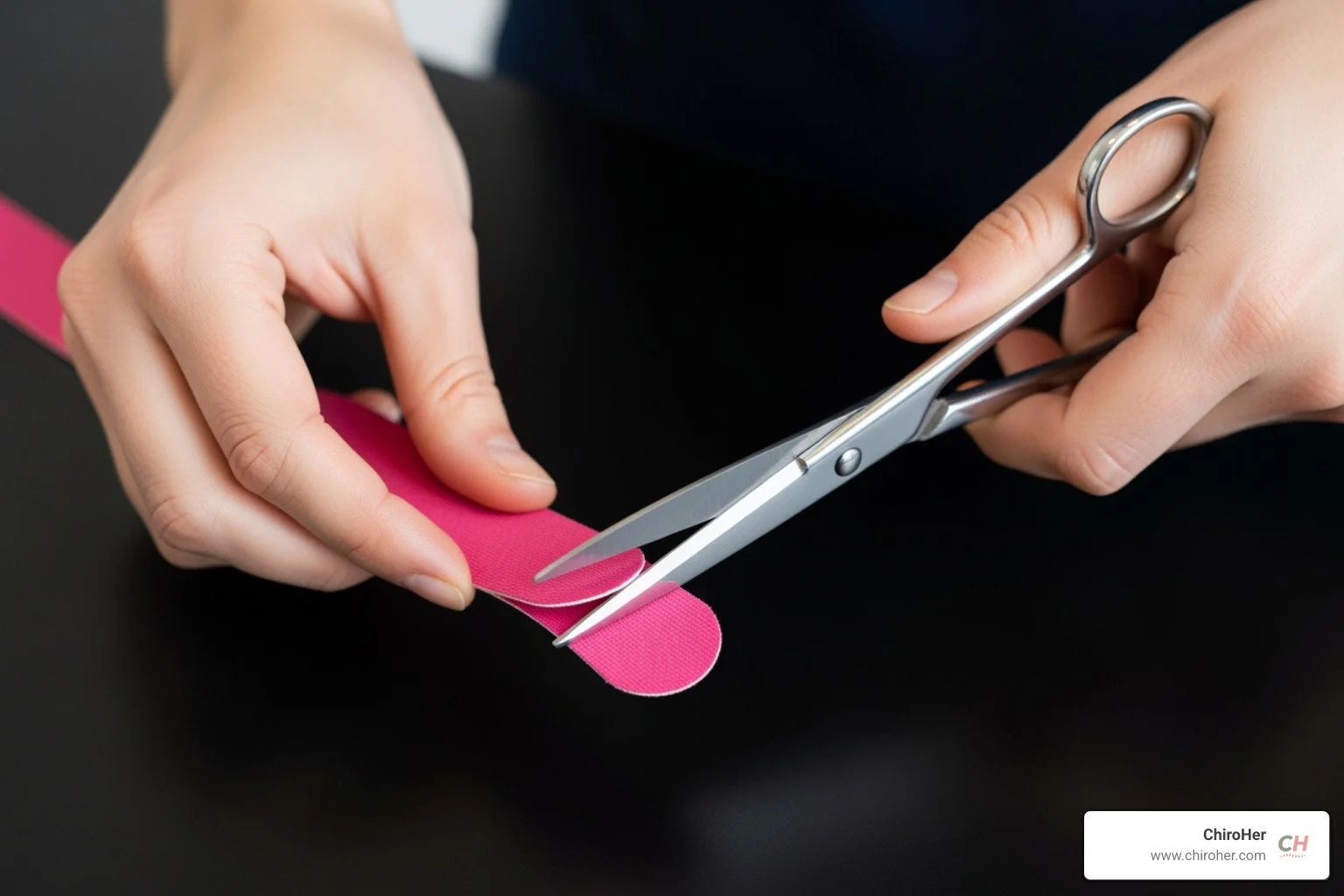
Round the Edges: Use scissors to round the corners of your tape strips. This simple trick prevents the edges from catching on clothing and peeling off.
Use Anchor Points: The first and last inch of any tape strip are the anchors. Apply them with zero stretch to secure the tape to your skin. Stretching the anchors will cause the tape to pull and peel off.
Apply Proper Tension: The amount of stretch depends on your goal. For muscle support, use a 25-50% stretch. For lymphatic drainage, use very light tension. Overstretching is a common mistake that can irritate the skin.
Activate the Adhesive: After applying the tape, rub it briskly for 10-15 seconds. The friction creates warmth that activates the heat-sensitive adhesive, helping it bond to your skin.
Prioritize Skin Health: When removing tape, be gentle. Hold the skin down and peel the tape back slowly. Baby oil can help dissolve stubborn adhesive. Give your skin a break between applications. Taping works well alongside therapeutic exercises for a complete recovery plan.
Rigid vs. Kinesiology Tape: What's the Difference?
Understanding the difference between these two tapes is critical for getting the right results.
Feature Rigid Athletic Tape Kinesiology Tape Material Inelastic cotton with strong adhesive Elastic cotton/synthetic blend with acrylic adhesive Stretch Minimal to none Stretches 120-140% of its resting length Function Joint immobilization, strong mechanical support Muscle support, lymphatic drainage, pain relief, proprioception Wear Time Typically 1-2 days (often removed after activity) Can be worn 3-5 days (even with showering) Best Use Cases Acute injury stabilization, preventing extreme range of motion, immediate post-injury support Injury rehabilitation, chronic pain management, posture correction, performance improvement, swelling reduction
Rigid tape is your heavy-duty option for locking down a joint, like after an acute ankle sprain. It creates an external brace to limit movement and protect injured ligaments. However, it restricts normal motion and isn't meant for long-term use.
Kinesiology tape works with the body's natural movement. It gently lifts the skin to improve blood flow, reduce swelling, and decrease pain. The sensory input also improves body awareness (proprioception) and can help muscles fire correctly. You can wear it for several days, making it convenient for ongoing support. The scientific research on taping principles continues to validate its use for a wide range of conditions.
Applying Supportive Taping Techniques for Common Areas

While a professional application is always customized, here are some common patterns for specific areas.
Shoulder Taping: For issues like rotator cuff strain, kinesiology tape can support the muscles without limiting the shoulder's wide range of motion. For acute injuries, rigid tape may be used for greater protection.
Back Taping: For upper back and neck pain from poor posture, an "X" pattern of kinesiology tape can gently encourage the shoulders to roll back. For lower back pain, tape can support the lumbar muscles and provide feedback for maintaining a neutral spine.
Knee Taping: For conditions like runner's knee, specific techniques can help correct kneecap tracking and reduce pain. Kinesiology tape can also be used to reduce swelling and support surrounding muscles.
Ankle Taping: Rigid tape is a classic choice for acute ankle sprains to provide strong immobilization. As healing progresses, kinesiology tape can help manage swelling and improve proprioception.
Here is a simple guide for ankle stability taping with rigid tape:
Preparation: Start with a clean, dry, and hair-free ankle. Apply a pre-wrap to protect the skin.
Anchors: Place one anchor strip around the mid-calf and another around the arch of the foot. They should be snug but not tight.
Stirrups: Apply three overlapping strips that run from the inside calf anchor, under the heel, and up to the outside calf anchor.
Figure-8s: Use figure-8 patterns around the ankle joint for stability while allowing some movement.
Closing: Lock everything in place with final anchor strips over the top, ensuring the tape is smooth.
Taping for Recovery, Prevention, and When to Get Help
The Role of Taping in Rehabilitation and Performance
Supportive taping techniques are powerful tools for both injury prevention and performance. During recovery, taping provides support to healing tissues, allowing you to stay active with modified movements. This helps maintain strength and prevents stiffness. Kinesiology tape is particularly effective at reducing post-injury swelling and retraining your body to move correctly, preventing compensatory patterns that can cause new issues.
For injury prevention, taping acts as a safeguard for your body. It stabilizes vulnerable joints, supports muscles during long workouts, and sharpens your proprioception. For performance, taping can help delay muscle fatigue and maintain better form, allowing you to push harder. Taping is even more effective when combined with other therapies like manual therapy or acupuncture for comprehensive pain management and recovery.
Common Taping Mistakes and How to Avoid Them
Many common taping mistakes are easy to avoid once you know what to look for.
Overstretching the Tape: Too much tension can cut off circulation and cause skin irritation. Use a light to moderate stretch (25-50%) for most applications.
Improper Anchoring: Always apply the first and last inch of the tape with zero stretch. This prevents the edges from peeling.
Taping Over Broken Skin: Never apply tape to cuts, rashes, or broken skin. This can lead to infection and further irritation.
Ignoring Skin Sensitivity: If you have sensitive skin, do a patch test with a small piece of tape first. If you experience redness or itching, you may need a hypoallergenic tape.
Rushing the Application: Take your time to apply the tape smoothly. Wrinkles can create pressure points and cause blisters.
Using the Wrong Tension: Match the tension to your goal. Use light tension for swelling, moderate for muscle support, and a firmer application for joint stability.
When to Seek Professional Guidance for Your Supportive Taping Techniques
While DIY taping can be effective, there are times when professional help is necessary.
Pain Persists or Worsens: If your pain doesn't improve or gets worse, it could be a sign of a more serious issue that needs a proper diagnosis.
Complex Injuries: Suspected fractures, severe sprains, or ligament tears require a professional evaluation. Taping can be part of a treatment plan but should not replace a medical assessment.
Allergic Reactions: If you develop widespread redness, itching, or blisters, remove the tape and seek professional advice.
Uncertainty About Technique: If you're unsure about placement or tension, hands-on instruction from a professional can ensure you're taping effectively and safely.
A professional can also properly assess if the taping is working by evaluating changes in your pain, function, and range of motion, and can adjust the technique for better results.
Supportive taping techniques offer incredible benefits when used correctly as part of a comprehensive care plan. If you're in the Oklahoma City area and considering taping, we can help you get it right. We'll assess your needs, teach you the proper technique, and ensure you get the results you deserve.
Schedule a consultation with us
This article is for informational purposes only and does not constitute medical advice. The information contained herein is not a substitute for, and should never be relied upon for, professional medical advice. Always seek the advice of your physician or other qualified health provider with any questions you may have regarding a medical condition.