
From Backaches to Birth: Your Journey to a Pain-Free Pregnancy
Why Pain is Common During Pregnancy
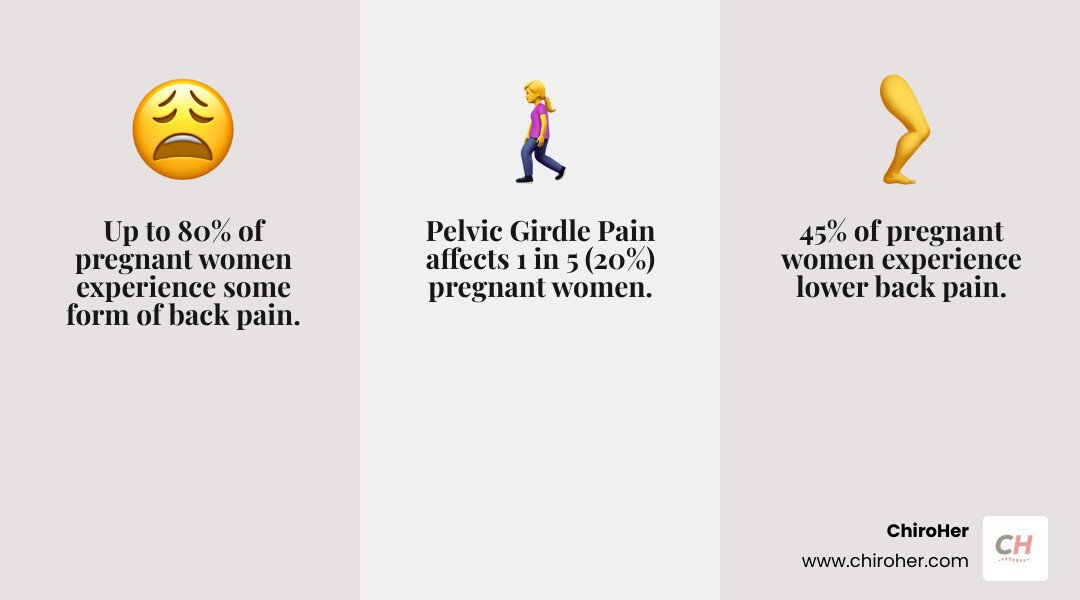
Pregnancy related pain affects a significant number of expectant mothers, with up to 80% experiencing back pain. Here's what you need to know:
Most Common Types of Pregnancy Pain:
Pelvic Girdle Pain (PGP) - Affects up to 1 in 5 pregnant women
Lower Back Pain - Experienced by 45% of pregnant women
Round Ligament Pain - Sharp pain in the abdomen or groin
Sciatic Pain - Radiating pain down the legs
Why It Happens:
Hormonal changes that loosen ligaments
Weight gain and shift in center of gravity
A growing baby putting pressure on joints and nerves
Postural changes
Your body undergoes massive changes during pregnancy. The hormone relaxin softens ligaments for birth, and your growing baby shifts your center of gravity. These changes can create discomfort, but most pregnancy pain is manageable. While symptoms often resolve within three months after birth, you don't have to endure discomfort during your pregnancy.
Hi! I'm Dr. Michelle Andrews, founder of ChiroHer in Oklahoma City. As a Webster Technique certified chiropractor, I've helped hundreds of expecting mothers manage pain, improve posture, and prepare for labor. My goal is to help you have a more comfortable pregnancy.
Understanding and Identifying Pregnancy Related Pain
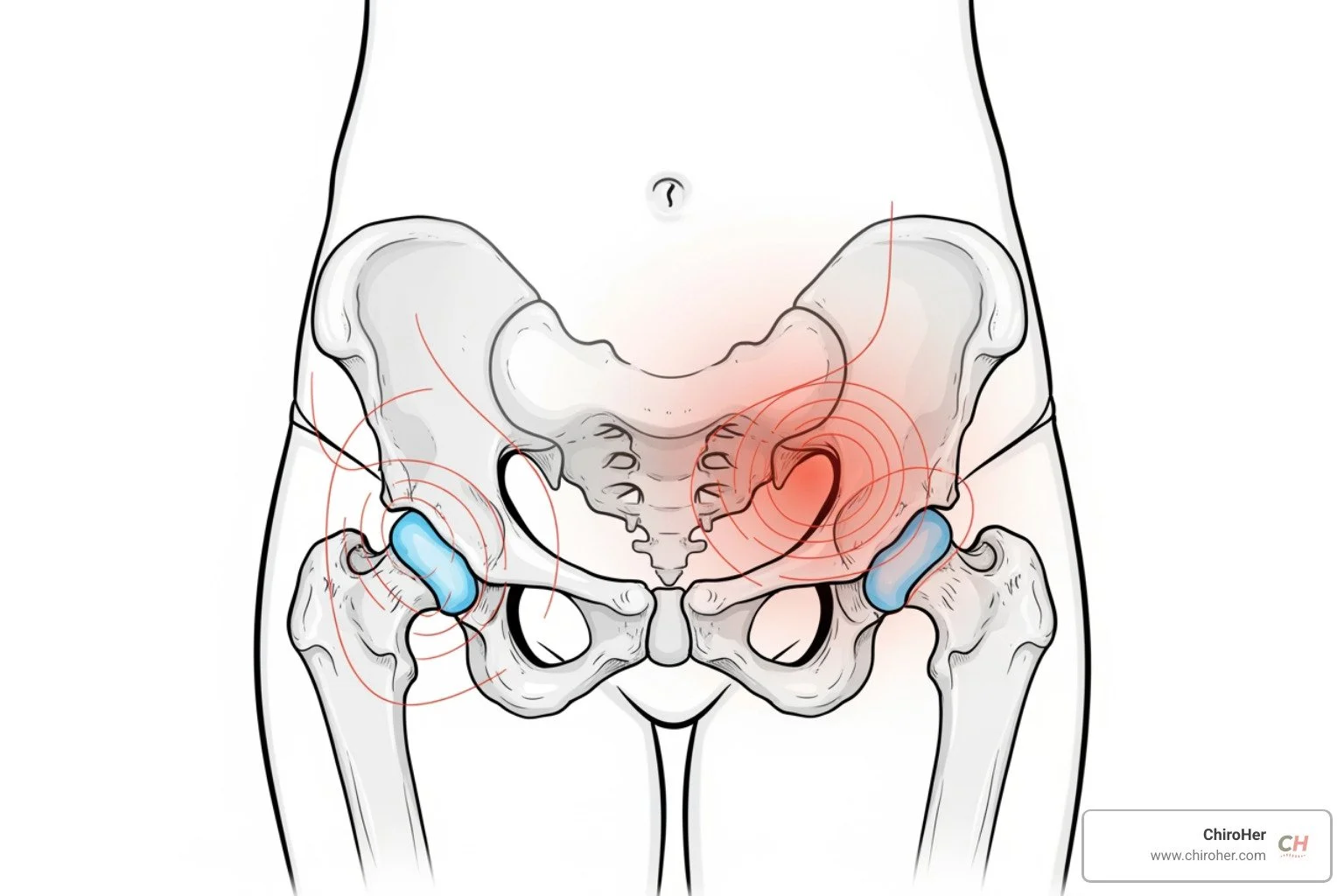
Understanding the type of pregnancy related pain you're experiencing is the first step toward relief. At our Oklahoma City clinic, we commonly see:
Pelvic Girdle Pain (PGP): Pain around the pelvis, hips, and lower back, affecting the sacroiliac joints (back of the pelvis) and pubic symphysis (front). About 1 in 5 pregnant women experience PGP.
Pregnancy-Related Low Back Pain (PLBP): Pain focused on the lumbar spine. It affects nearly 45% of pregnant women and can occur alongside PGP.
Symphysis Pubis Dysfunction (SPD): A more severe form of PGP with significant pain and instability at the front of the pelvis, often with a clicking or grinding feeling.
Round Ligament Pain: Sharp, stabbing sensations in the abdomen or groin as uterine ligaments stretch, common in the second trimester.
Sciatica: Radiating pain, numbness, or tingling down the legs, caused by pressure on the sciatic nerve from the expanding uterus.
Common Types and Symptoms of Pregnancy Pain
Knowing what kind of pregnancy related pain you have makes managing it more effective. While PGP and PLBP are distinct, many women experience both.
Here's how they compare:
Feature Pelvic Girdle Pain (PGP) Pregnancy-Related Low Back Pain (PLBP) Primary Location Pubic bone, lower back (sacroiliac joints), perineum, buttocks Lumbar spine (lower back) Radiating Pain Often to posterior thigh, groin Can radiate to buttocks/upper thigh, but less commonly below the knee unless sciatic Sensations Clicking, grinding, catching, instability Dull ache, sharp pain, muscle stiffness Aggravating Factors Standing on one leg, turning in bed, getting in/out of car/bed, stairs, deep squatting Prolonged standing/sitting, lifting, bending
If you want to understand more about how your pelvis can shift out of alignment, check out our guide on Understanding Pelvic Misalignment: Causes, Symptoms, and Chiropractic Care for SPD and Pelvic Pain in Pregnancy.
What Causes Pregnancy Related Pain?
The causes of pregnancy related pain are complex, as your entire body adapts to support your baby. Key factors include:
Hormonal Changes: The hormone relaxin softens ligaments throughout your body to prepare for birth. This creates joint laxity and instability, which can lead to PGP and PLBP.
Biomechanical Stress: As your baby grows, your expanding uterus and shifting center of gravity put pressure on your pelvis and spine. Your posture changes to compensate, straining muscles and joints.
Muscle Imbalance: Postural changes and increased abdominal weight can lead to muscle imbalances and pelvic floor dysfunction, contributing to instability and pain.
According to the European guidelines for the diagnosis and treatment of pelvic girdle pain, PGP develops during pregnancy and can affect your ability to stand, walk, and sit. If you have radiating leg pain, our article on Pregnancy and Sciatica Nerve offers more information.
Risk Factors and Activities That Worsen Pain
While pregnancy related pain is common, some factors increase your risk, including previous back or pelvic pain, physically demanding work, multiple pregnancies, or being overweight.
Certain everyday activities can also trigger or intensify pain:
Prolonged standing or sitting
Walking long distances or climbing stairs
Turning in bed or getting in/out of a car
Lifting heavy objects
Standing on one leg (e.g., while dressing)
Deep squatting, lunging, or high-impact exercise
I encourage my patients to listen to their bodies and modify activities. Simple changes, like sitting down to put on your shoes instead of standing on one leg, can make a huge difference. It's important to slow down and adjust how you move.
Managing Pain and Preparing for Birth
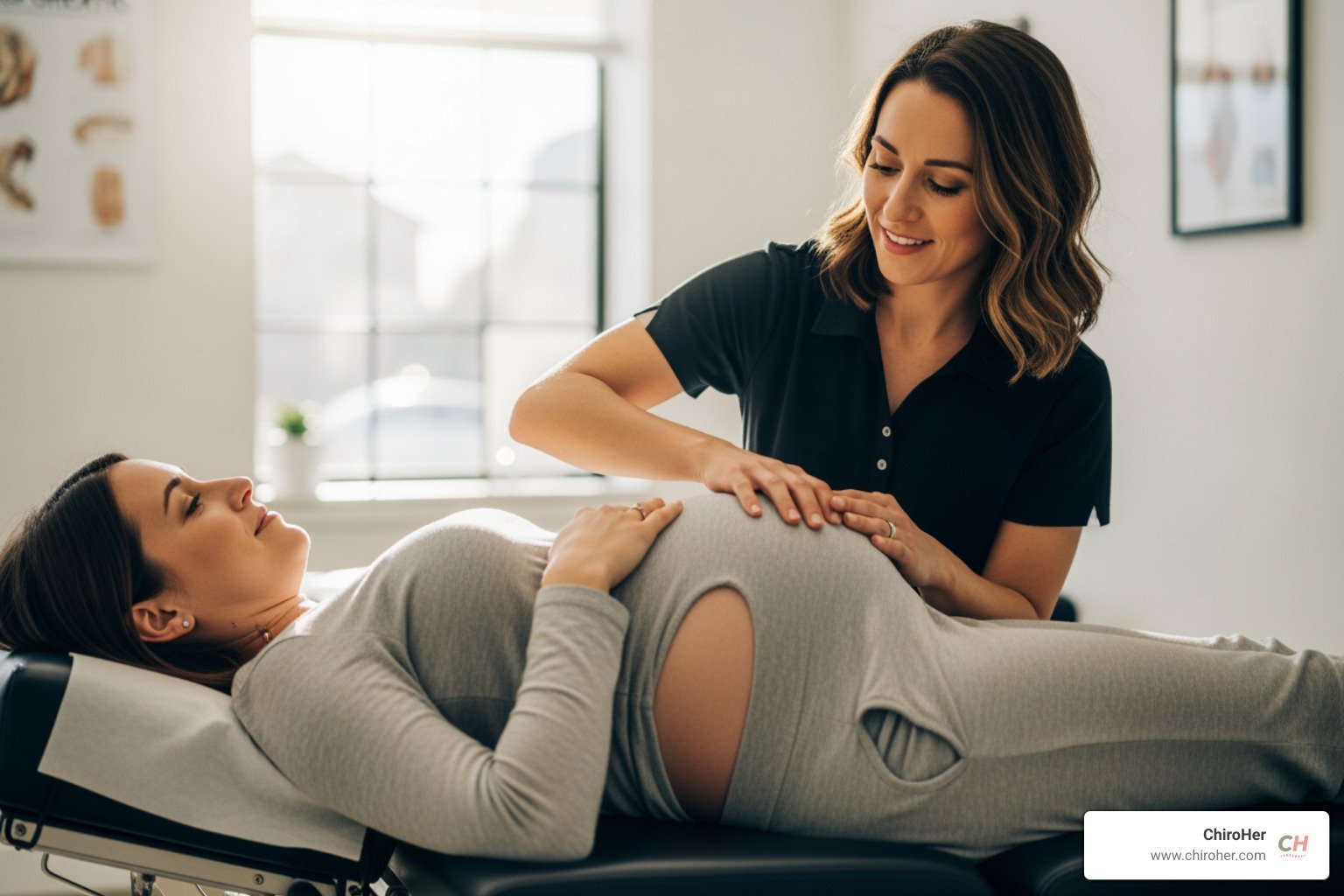
You don't have to endure pregnancy related pain. At ChiroHer, I help expectant mothers across Oklahoma City, Yukon, Edmond, Nichols Hills, Del City, Mustang, and Moore find relief and prepare for birth. The right care can make you more comfortable, support a smoother labor, and improve postpartum recovery.
Effective Management and Relief Options
Managing pregnancy related pain involves a holistic approach. Here are some effective strategies:
Specialized Chiropractic Care: Gentle prenatal adjustments restore balance to the pelvis and spine, reducing nerve irritation. As a Webster Technique certified chiropractor, I focus on creating an optimal environment for your baby's position, which may lead to more comfort and shorter labor times. Learn more about our approach to Chiropractic Care and Pregnancy.
Activity Modification: Simple changes like taking smaller steps, avoiding prolonged standing, and breaking up tasks can protect your joints.
Supportive Gear: A pelvic support belt or maternity girdle can provide external stability, but it's not for everyone. We can help determine if it's right for you.
Therapies: Heat and cold therapy can ease muscle tension and inflammation. Gentle massage helps release tight muscles in the back, hips, and glutes.
Gentle Exercise: Activities like walking, swimming, and prenatal yoga strengthen supporting muscles without overloading joints.
Posture Correction: Proper posture while standing, sitting, and sleeping can significantly reduce pain.
The Pelvic Obstetric and Gynaecological Physiotherapy website offers more advice about pelvic and low back pain during pregnancy that complements our care.
How Pregnancy Related Pain Affects Labor and Postpartum
Even if you are dealing with pregnancy related pain, most women with PGP can still have a normal vaginal birth. Planning ahead is key. Discuss comfortable labor positions, like a water birth, with your birth team and note your pelvic pain in your birth plan.
Postpartum, there's good news: about 93% of women with PGP find their symptoms resolve within three months of giving birth. However, about 7% experience longer-term issues. Postpartum chiropractic care can help your body recover by addressing lingering effects and restoring proper joint function as your hormones stabilize.
If you're concerned about your baby's position, our article on What Can You Do When Your Baby is Presenting Breech? offers helpful information.
When to Seek Professional Help
While many cases of pregnancy related pain respond to self-care, contact your GP, midwife, or our clinic if you experience:
Severe, constant pain that limits daily activities
Difficulty walking, standing, or turning over in bed
New or worsening numbness or weakness in your legs, buttocks, or hands
Signs of preterm labor (regular contractions, bleeding, fluid leakage)
Symptoms of preeclampsia (severe headaches, vision changes, sudden swelling)
If your pain is causing distress, please speak up. Your provider can assess the situation and recommend the right care. At ChiroHer, we offer personalized support to help you manage the demands of pregnancy with more comfort. You don't have to do this alone. Book Now for a consultation or learn more about our services as a Pregnancy Chiropractor OKC.
Building Trust: Authority and Resources
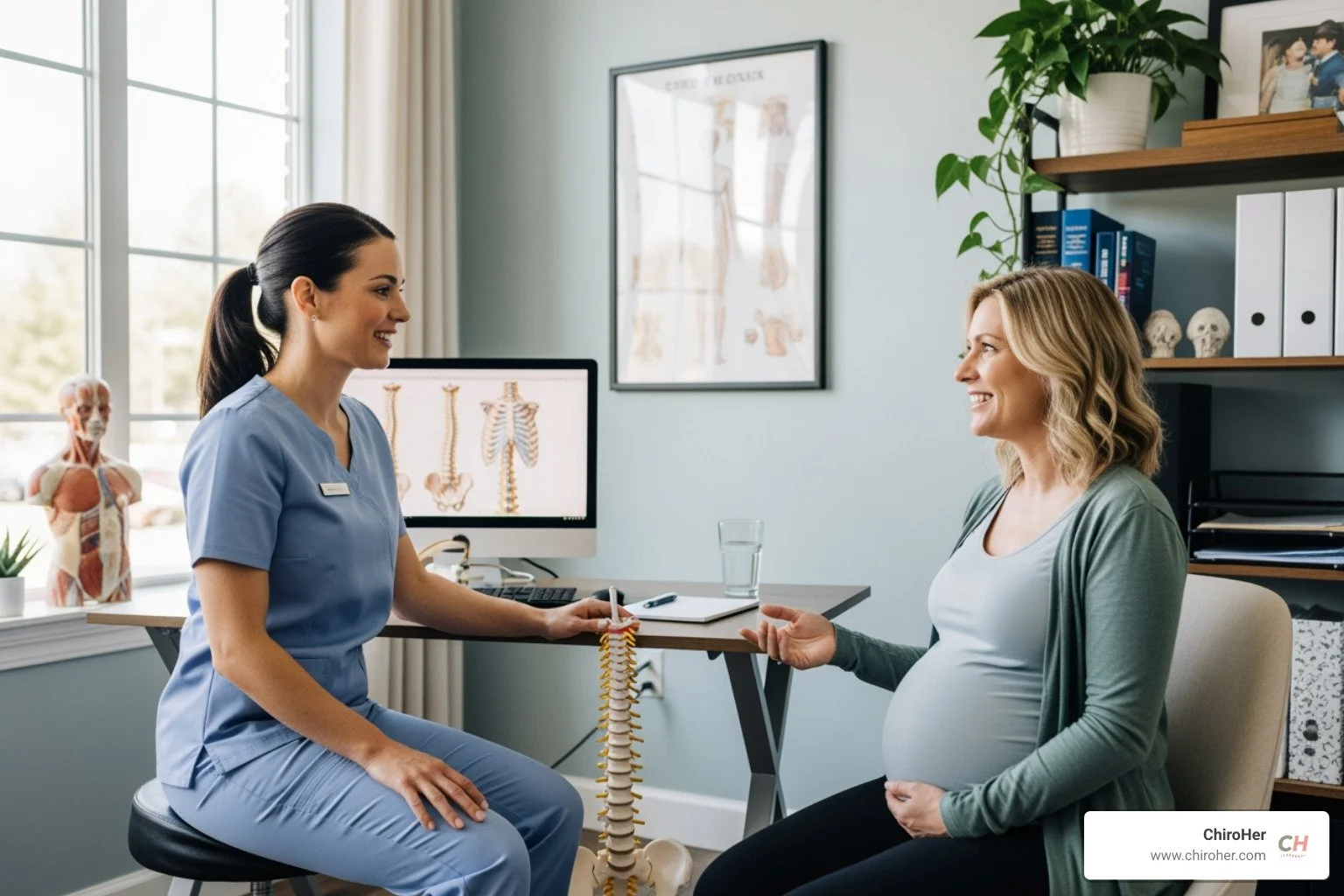
Choosing the right care provider is an important decision. At ChiroHer, we are committed to evidence-based care. Our approach to managing pregnancy related pain is rooted in current research and proven techniques, like the Webster Technique, and our team has specialized training in prenatal care.
When selecting a provider, look for someone who understands the biomechanics of pregnancy, uses gentle techniques, and collaborates with your OB-GYN or midwife.
We encourage you to explore trusted resources to make informed decisions. These organizations offer reliable information:
American College of Obstetricians and Gynecologists: Back Pain During Pregnancy
National Institutes of Health: Pelvic Girdle Pain in Pregnancy
Royal College of Obstetricians and Gynaecologists: Pelvic Girdle Pain and Pregnancy
Your pregnancy experience matters to us. We're here to support you with personalized care that respects your body and helps you feel your best. If you have questions about whether chiropractic care is right for you, we're always happy to chat.
This guide is for informational purposes and is not a substitute for already established medical advice from your healthcare provider.