
Get a Grip: How Manual Shoulder Manipulation Can Relieve Pain
Why Understanding Manual Manipulation of the Shoulder Matters
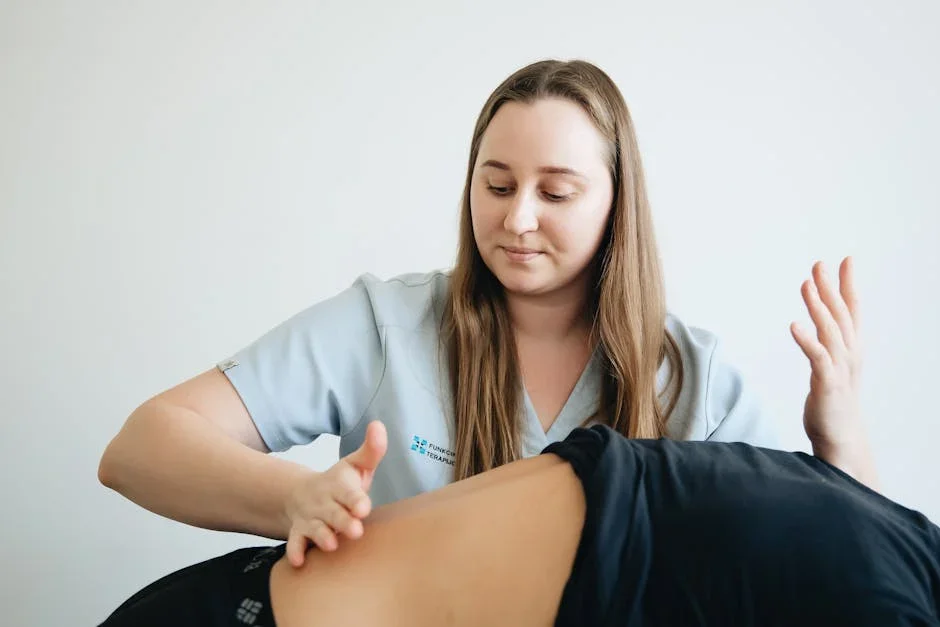
Manual manipulation of the shoulder is a hands-on treatment used to reduce pain, restore movement, and improve function in your shoulder joint. It's a non-invasive option that can help you return to daily activities without medication or surgery.
This technique can:
Reduce pain from conditions like frozen shoulder and rotator cuff issues.
Restore range of motion by addressing joint stiffness.
Improve your ability to lift, reach, and move without discomfort.
Speed up recovery, especially when combined with therapeutic exercises.
Offer a non-surgical alternative for many common shoulder problems.
Shoulder pain is one of the most common reasons people seek care, affecting roughly 1% of adults annually. It can interfere with simple tasks like reaching overhead or sleeping. The good news is that manual therapy techniques are highly effective for many shoulder conditions.
Research shows that manual therapy, particularly when combined with exercises, significantly reduces pain and improves shoulder movement for issues like shoulder impingement syndrome. By improving tissue flexibility and reducing pain, manual therapy helps you return to your daily activities with greater ease.
I'm Dr. Michelle Andrews, founder of ChiroHer in Oklahoma City. I've spent years helping patients find relief from shoulder pain using evidence-based techniques. I've worked with hundreds of athletes, expecting mothers, and busy professionals to restore mobility and reduce pain without relying on medication.
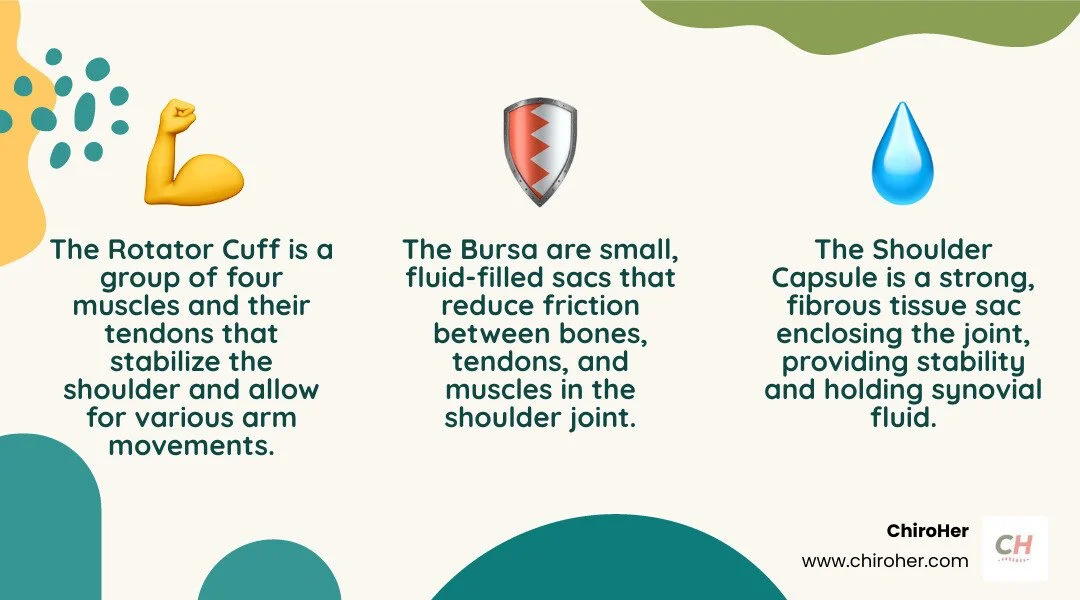
Understanding Manual Therapy for Shoulder Pain

When your shoulder hurts, simple actions become challenging. Manual therapy, including manual manipulation of the shoulder, is a specialized, hands-on treatment that improves movement, reduces pain, and restores function. It is a cornerstone of care for many shoulder issues, offering a non-surgical approach to restoring your body’s natural mechanics.
We commonly use manual therapy to address conditions such as:
Adhesive capsulitis (frozen shoulder): A condition causing significant stiffness and limited range of motion.
Shoulder impingement syndrome: Where tendons become compressed, leading to pain with overhead movements.
Rotator cuff tendinopathy: Inflammation or degeneration of the rotator cuff tendons.
Labral tears: Manual therapy can help with stability and pain reduction.
What is Manual Manipulation of the Shoulder?
Manual manipulation of the shoulder refers to skilled, hands-on techniques performed by a trained practitioner to treat musculoskeletal imbalances. It is a broad term that includes various manual therapy techniques to reduce pain and improve function.
It is important to distinguish our gentle techniques from "manipulation under anesthesia (MUA)." MUA is an invasive surgical procedure used for severe frozen shoulder, where the arm is forcibly stretched to break up scar tissue. While it can increase range of motion, it carries risks and is only used when conservative methods fail.
At ChiroHer, our approach involves specific, controlled techniques as part of a comprehensive plan, including:
Joint Mobilization: Gentle, rhythmic movements applied to the shoulder joint to reduce stiffness and improve range of motion.
Soft Tissue Manipulation: Techniques applied to muscles and fascia to reduce tension and improve tissue flexibility.
To learn more, explore our guide on What is Manual Therapy in PT.
Here’s a look at how different manual therapy options stack up:
Manual Therapy Option Invasiveness Recovery Time Primary Indication Chiropractic Manual Manipulation Non-invasive Minimal Joint stiffness, muscle tension, pain, functional loss Joint Mobilization Non-invasive Minimal Restricted joint movement, stiffness Soft Tissue Manipulation Non-invasive Minimal Muscle tightness, trigger points, fascial restrictions Manipulation Under Anesthesia (MUA) Invasive Moderate to Long Severe frozen shoulder unresponsive to conservative care
Key Indications for Manual Manipulation of the Shoulder
This treatment may be right for you if you're experiencing pain, stiffness, or limited movement. Key indications include:
Frozen Shoulder (Adhesive Capsulitis): Manual therapy helps stretch the joint capsule to improve mobility.
Subacromial Pain Syndrome (SAPS): This includes rotator cuff tendinopathy and shoulder impingement. Manual therapy helps create more space for tendons and improves mechanics.
Rotator Cuff Tendinopathy: Manual therapy can improve blood flow, reduce tension, and improve joint mechanics.
Post-Surgical Stiffness: Manual manipulation can help restore motion and flexibility after shoulder surgery.
Scapular Dyskinesis: Manual techniques can help normalize the movement of the shoulder blade.
Sports Injuries: Our approach can help with recovery from conditions like rotator cuff injuries and labral tears. Learn more about Sports Injury and Rehabilitation.
The Evidence-Backed Benefits for Pain and Mobility
The effectiveness of manual manipulation of the shoulder is supported by scientific evidence. Here's what you can expect:
Decreased Pain: Studies show manual therapy, combined with exercises, significantly reduces pain in patients with shoulder impingement syndrome.
Improved Range of Motion: Research indicates that techniques like joint mobilizations increase shoulder movement. For frozen shoulder, this can mean significant gains in flexion, abduction, and rotation.
Improved Muscle Function: By improving tissue flexibility and reducing pain, manual therapy improves shoulder strength and function.
Faster Recovery: Our integrated approach of manual therapy and therapeutic exercises is designed to accelerate your recovery.
Reduced Need for Medication: By addressing the underlying mechanical issues, manual therapy can decrease reliance on pain medications.
The Journal of Orthopaedic & Sports Physical Therapy highlights the efficacy of manual therapy. You can read more here: Shoulder Impingement: A Comprehensive Approach. For more on chiropractic benefits, visit our page on the 5 Benefits of Chiropractic Care.
A Guide to Manual Manipulation of the Shoulder Techniques
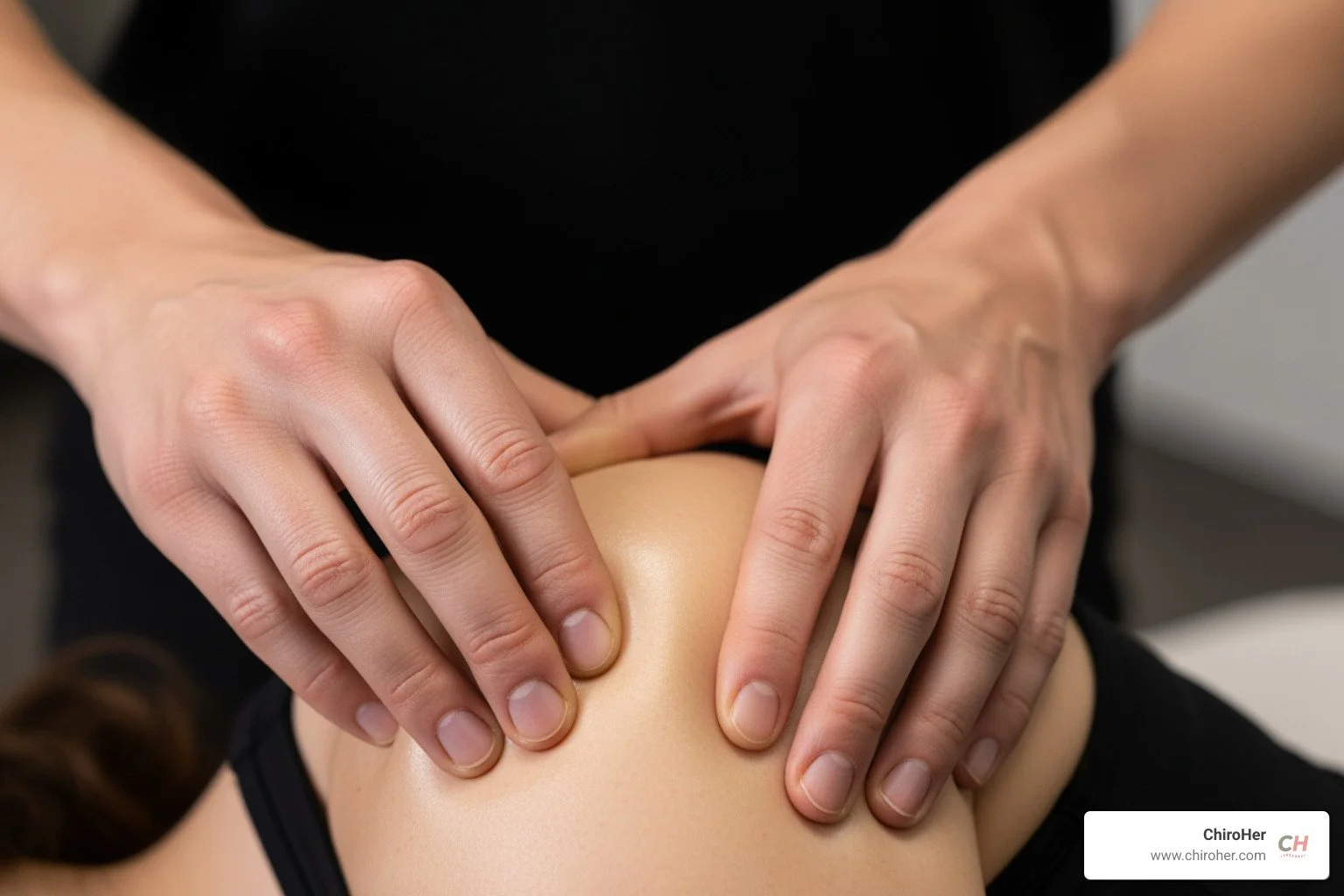
Our approach to manual manipulation of the shoulder is about precision and care. We use our hands to apply specific forces that restore proper mechanics to your shoulder joint, ensuring patient comfort while addressing your unique needs.
Common Joint Mobilization Techniques Explained
Joint mobilization involves controlled, passive movements to improve mobility and reduce pain. We focus on restoring movement across all joints in the shoulder complex. Common techniques for the main ball-and-socket joint include:
Distraction: Gently pulling the arm bone away from the socket to create space, relieve pressure, and reduce pain.
Inferior Glide: Applying a gentle downward force to improve your ability to lift your arm out to the side (abduction).
Posterior Glide: Applying a backward force to help with lifting your arm forward (flexion) and internal rotation.
Anterior Glide: Applying a forward force to help with moving your arm backward (extension) and external rotation.
Scapular Mobilization: Using manual techniques to improve the movement of the shoulder blade on the rib cage, which is critical for healthy shoulder function.
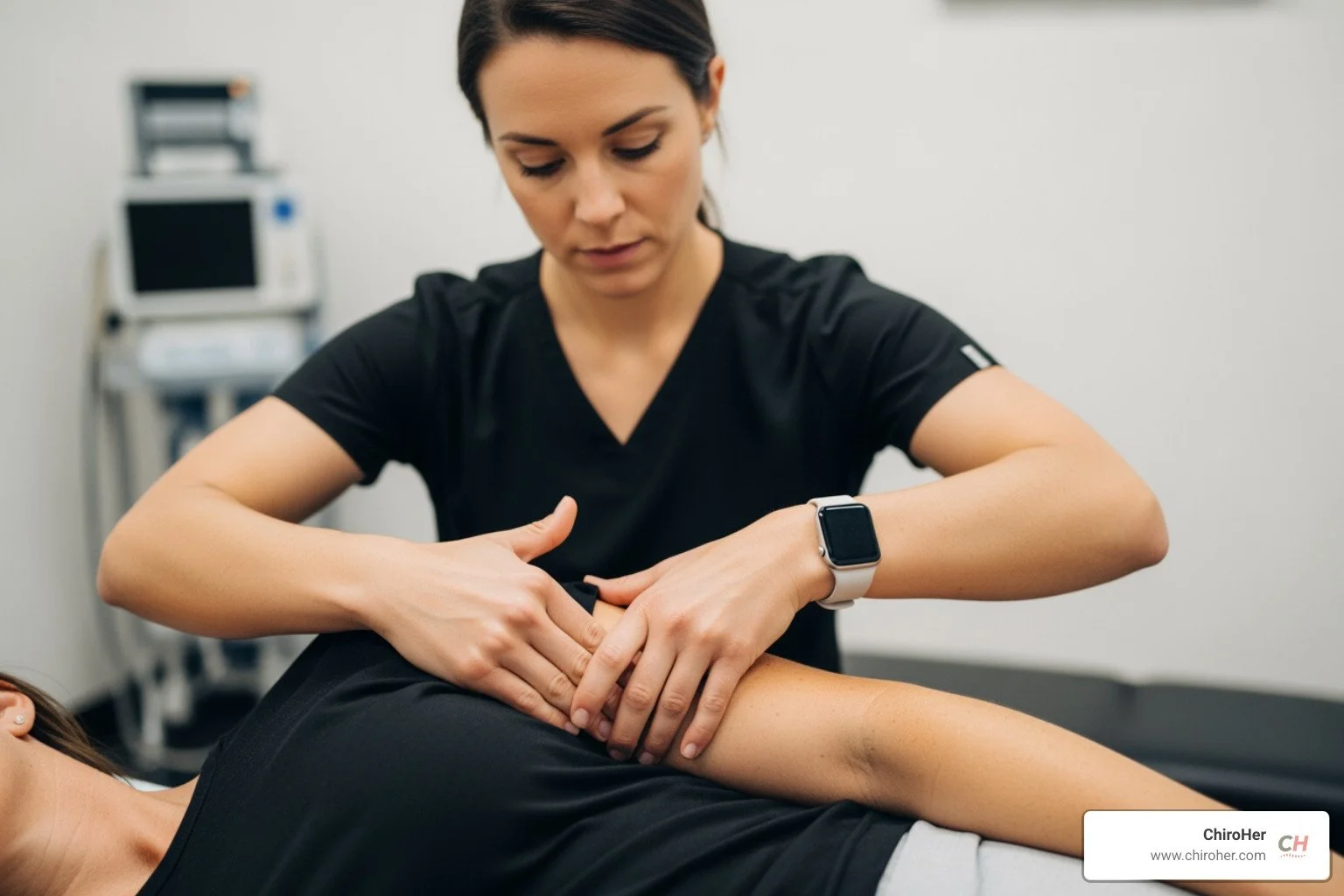
These techniques are a fundamental part of How Does Manual Therapy Work to restore your shoulder’s natural movement.
How Soft Tissue Work Complements Joint Mobilization
While joint mobilizations address bones and capsules, soft tissue techniques focus on the surrounding muscles, tendons, and fascia. Combining these provides a comprehensive approach to releasing tension.
Some techniques we use include:
Myofascial Release: Applying sustained pressure to the fascial system (the connective tissue surrounding muscles) to alleviate pain and restore mobility.
Muscle Energy Techniques (METs): Active techniques where you contract your muscles against our resistance to relax overactive muscles and lengthen shortened ones.
Strain-Counterstrain: A gentle, passive technique that positions your body to shorten an affected muscle, which is effective for sensitive trigger points. Learn more in our Strain Counterstrain guide.
Trigger Point Therapy: Using direct pressure to release hyper-irritable spots in muscles, reducing local and referred pain. Read our guide on What is Trigger Point Therapy.
Integrating these techniques reduces muscle guarding and improves flexibility. Learn more about how we treat tissue issues here: Can Chiropractors Treat Soft Tissue Injury.
Enhancing Your Recovery and Choosing a Provider
To ensure lasting relief, we integrate manual manipulation of the shoulder with complementary strategies.
Complementary Strategies for Lasting Relief:
Therapeutic Exercises: We provide personalized exercise plans to strengthen weak muscles, improve flexibility, and stabilize the shoulder joint. Explore our approach to Therapeutic Exercises.
Movement Re-education: We help you relearn how to move your shoulder correctly to reduce stress on the joint during daily activities.
Postural Correction: We assess your posture and provide exercises and advice to correct imbalances that contribute to shoulder pain.
Choosing the Right Provider for Your Shoulder Treatment:
Selecting a qualified practitioner is key to your success. Look for:
Specialized Training: Providers with specific training in shoulder rehabilitation and manual therapy.
Comprehensive Approach: A practitioner who assesses your entire musculoskeletal system, not just the symptoms.
Patient-Focused Care: A clinic that offers personalized treatment plans and involves you in your recovery.
Clear Communication: A provider who ensures you understand your condition and treatment.
For those in Oklahoma City, Yukon, Edmond, Nichols Hills, Del City, Mustang, and Moore, we invite you to experience the ChiroHer difference. To take the first step, schedule a consultation with us today.
Building Trust: Authority and Evidence in Manual Shoulder Manipulation

At ChiroHer, our approach to manual manipulation of the shoulder is rooted in scientific evidence and continuous learning. We prioritize provider qualifications and a commitment to evidence-based practices so you can trust that your care is both effective and safe.
Our chiropractors are lifelong learners who stay at the forefront of advancements in musculoskeletal health through ongoing professional development. This dedication means your care incorporates the latest understanding of shoulder biomechanics and treatment protocols.
We base our treatment strategies on robust scientific research from respected sources like the Journal of Orthopaedic & Sports Physical Therapy and guidelines from organizations such as the National Institutes of Health.
An evidence-based approach means our treatment decisions are informed by the best available clinical research, our clinical expertise, and your individual needs. This ensures that:
Treatments are Effective: We use techniques proven to work in scientific studies.
Risks are Minimized: We select the safest and most appropriate treatments, prioritizing non-invasive manual therapy for its low-risk profile and high efficacy.
Care is Personalized: We integrate scientific findings with a hands-on assessment and your feedback to create a treatment plan for you.
By building our practice on trust, authority, and evidence, we provide the highest quality of care for your shoulder pain. We want you to feel confident in your treatment at ChiroHer.
This guide is for informational purposes and is not a substitute for already established medical advice from your healthcare provider.