
Tape It Up: Discover the Surprising Perks of Kinesiology Tape
Why Kinesiology Tape Is Gaining Popularity Among Women Seeking Natural Pain Relief
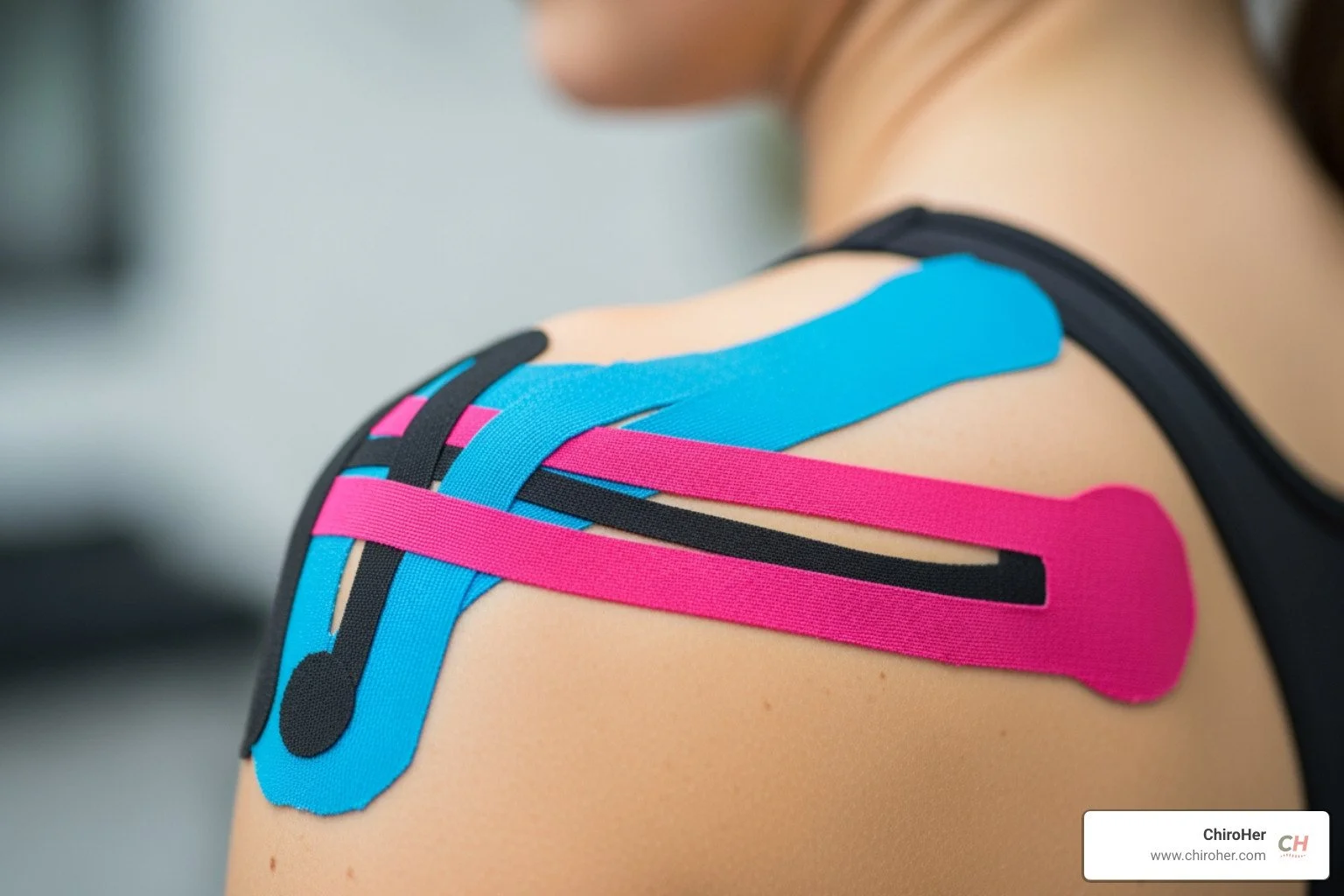
Kinesiology tape benefits include pain relief, improved circulation, reduced swelling, and better body awareness. Here's a quick overview:
Pain Management: Reduces pressure on pain receptors.
Circulation Boost: Lifts skin to improve blood and lymphatic flow.
Swelling Reduction: Helps reduce inflammation and bruising.
Performance Support: Supports fatigued muscles.
Posture Correction: Offers gentle reminders for proper alignment.
Duration: Water-resistant and wearable for 3-5 days.
If you've seen colorful tape on athletes, you've seen kinesiology tape. It's an elastic therapeutic tape that's become a go-to for professionals, pregnant women, and anyone seeking a drug-free option for muscle or joint pain.
Developed in the 1970s by Dr. Kenzo Kase, this tape is designed to stretch with your skin, unlike traditional athletic tape that restricts movement. It's made of breathable, water-resistant cotton, so you can wear it for several days through workouts and showers. When applied correctly, the tape gently lifts the skin, creating space to reduce pressure on pain receptors and improve fluid circulation. While research shows mixed results, many people report relief, and some studies note benefits for conditions like knee osteoarthritis.
Hi! I'm Dr. Michelle Andrews, founder of ChiroHer in Oklahoma City. I've used kinesiology tape with hundreds of patients to complement their care, especially for pregnancy-related discomfort and sports recovery. Understanding its benefits helps my patients make informed decisions about their wellness.
Understanding Kinesiology Tape: More Than Just Colorful Strips
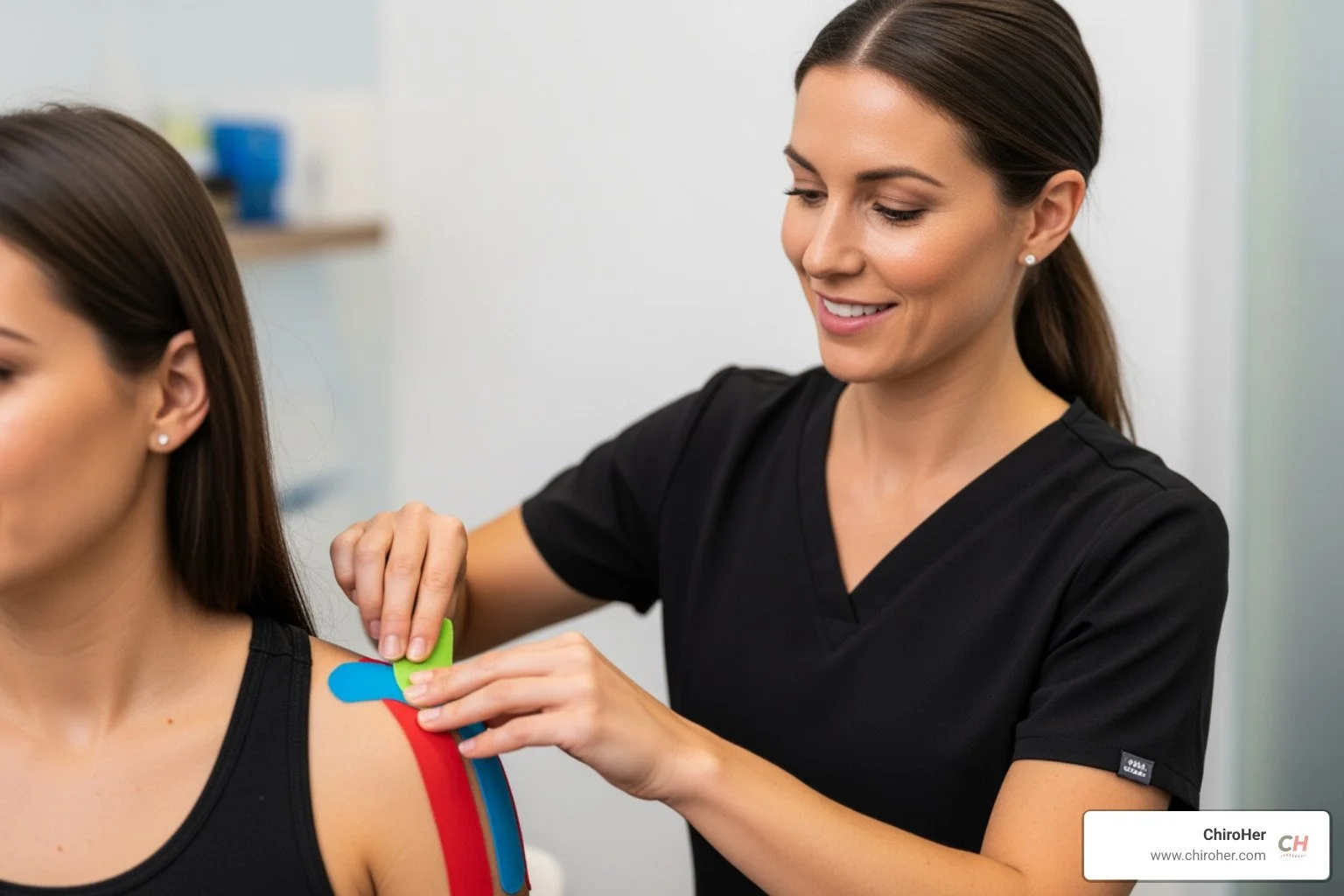
The key difference between kinesiology tape and traditional athletic tape is movement. Rigid athletic tape is designed to immobilize a joint to prevent further injury. In contrast, kinesiology tape is flexible and facilitates motion, providing support while allowing a full range of movement. This makes it ideal for those who want to stay active during recovery.
Here's how they compare:
Feature Kinesiology Tape Traditional Athletic Tape Flexibility Stretches up to 180% of original length Rigid and non-stretchable Purpose Facilitates motion, supports the body's recovery process, reduces pain Restricts motion, immobilizes joints Duration of Use Wearable for 3-5 days continuously Short-term use during activity only
How It Works
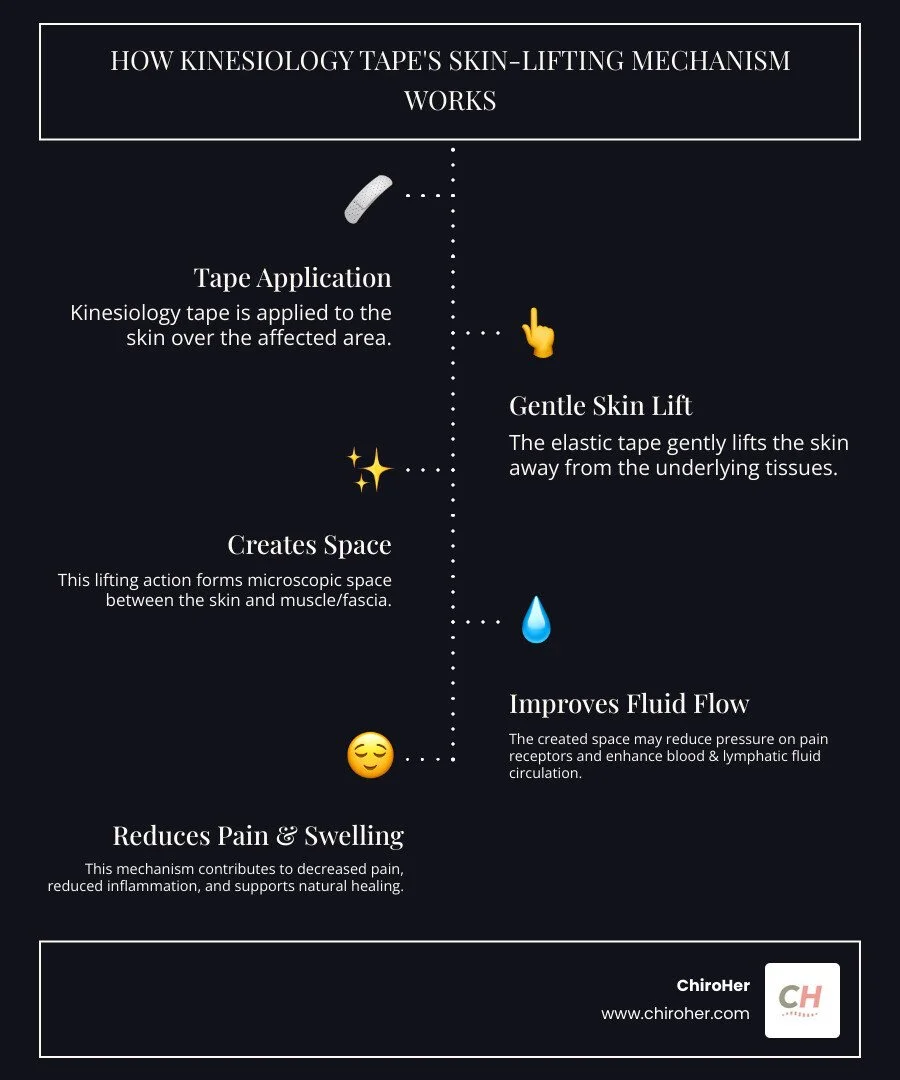
The science behind the tape's benefits is based on the skin lifting theory. When applied with proper tension, the tape gently lifts the skin, creating a small space between the skin and the underlying tissue. This decompression can:
Reduce pressure on pain receptors.
Improve blood and lymphatic fluid flow, helping to clear waste products.
Provide sensory feedback to the nervous system (proprioception), which can help with muscle re-education and encourage healthier movement patterns.
While many people experience relief, scientific research on pain in musculoskeletal injuries shows mixed results. Some experts suggest a placebo effect may play a role, but the relief is still valuable for those who feel it.
The Core Kinesiology Tape Benefits and How It Works
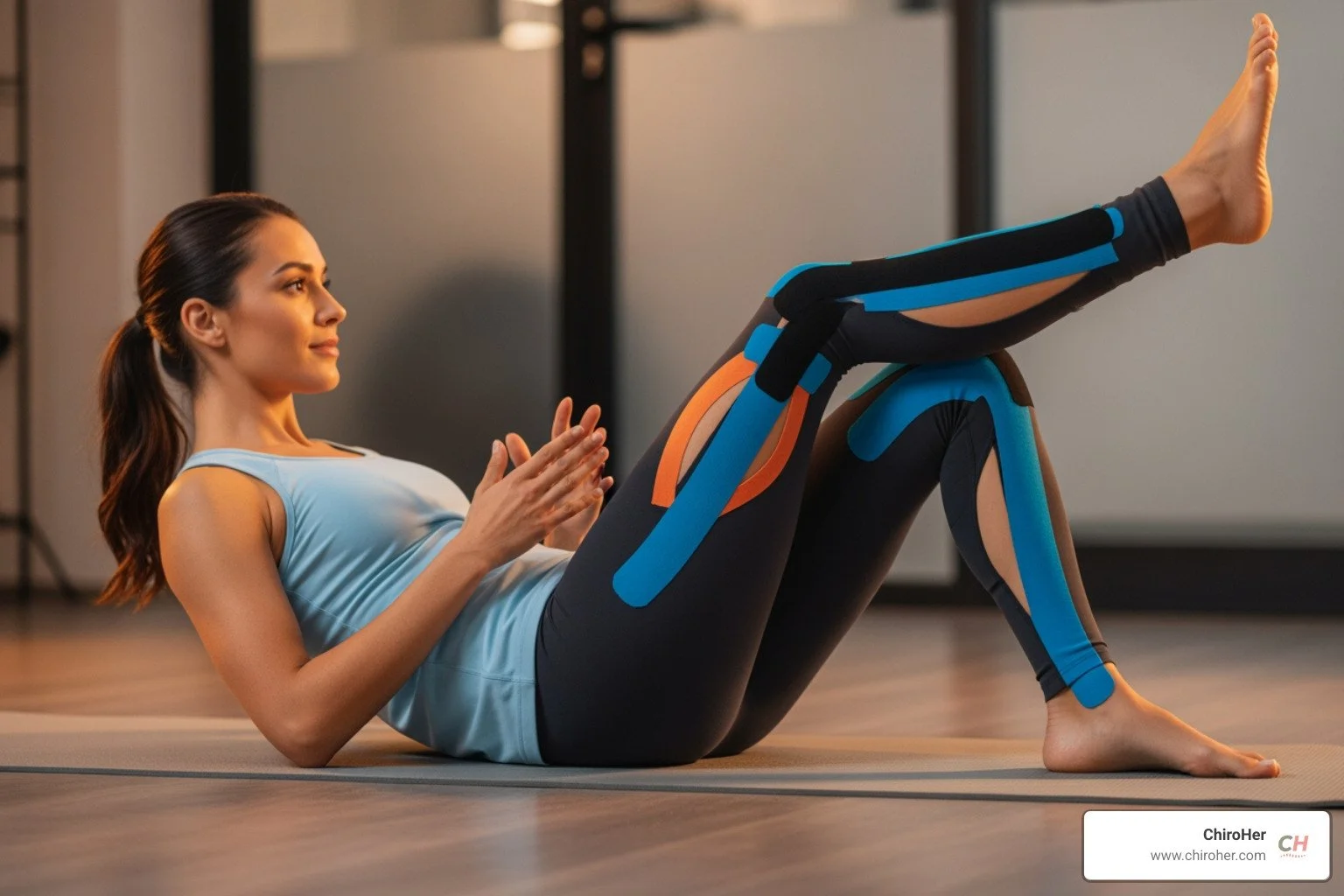
Kinesiology tape works by providing gentle sensory input to your skin, which can change how your nervous system processes pain. Many patients feel better within hours. The tape also improves proprioception, your body's internal GPS, helping to retrain muscles that have developed unhealthy patterns after an injury or from poor posture. This sensory input may also activate your body's natural pain-relief system. While research shows mixed results, a meta-analysis found that kinesiology taping can help reduce pain from musculoskeletal injuries. You can explore more scientific research on pain in musculoskeletal injuries.
The Science Behind Kinesiology Tape Benefits for Pain Relief
Pain relief is the top reason people try kinesiology tape. The tape lifts the skin to reduce pressure on nerve endings, providing relief. It also offers support in several ways:
Joint Support: Small studies show that tape applied over the knee or shoulder increases the space within the joint, which can reduce irritation for conditions like patellofemoral stress syndrome.
Muscle Support: The tape acts as an external support for overworked or injured muscles, helping reduce fatigue. For trigger points (painful knots), a 2015 study showed that combining tape with manual pressure decreased pain and improved flexibility.
Condition-Specific Relief: Research indicates the tape helps reduce pain for people with osteoarthritis. For back pain, it supports spinal muscles and cues better posture.
If you're looking to combine kinesiology tape with comprehensive care, we offer manual therapy services that work well with taping techniques.
Improved Circulation and Reduced Swelling
By lifting the skin, kinesiology tape creates more space for fluids to move, which helps your lymphatic system work more efficiently. Your lymphatic system is your body's waste removal service, and improving its function helps reduce inflammation and swelling more quickly. This is why bruises may seem to resolve faster with the tape on.
For more serious fluid buildup, studies have found that kinesiology tape reduced lymphedema in women after breast cancer treatment and swelling in patients after total knee replacements, making it valuable for post-surgical recovery. A pilot study specifically demonstrated that Kinesiology Taping reduces lymphedema of the upper extremity in women after breast cancer treatment.
At ChiroHer, our chiropractic care often incorporates taping to support these natural recovery processes.
Exploring Kinesiology Tape Benefits for Performance and Posture
While kinesiology tape won't make you a superhero, it can support athletic performance and everyday posture.
Performance: Some studies suggest the tape can help when muscles are tired. While research on performance improvement in healthy athletes is mixed, the tape can provide a psychological and physical boost.
Posture: For poor posture from desk work, the tape acts as a gentle reminder on your skin. Studies show it can help with forward head posture by providing continuous feedback to your postural muscles, re-educating them over time. For more on this, see our resources on KT Tape for Posture.
Stability: The tape provides dynamic support for weak zones, like unstable ankles. This allows people to engage in activities with more confidence and less worry about re-injury.
A Practical Guide to Using Kinesiology Tape
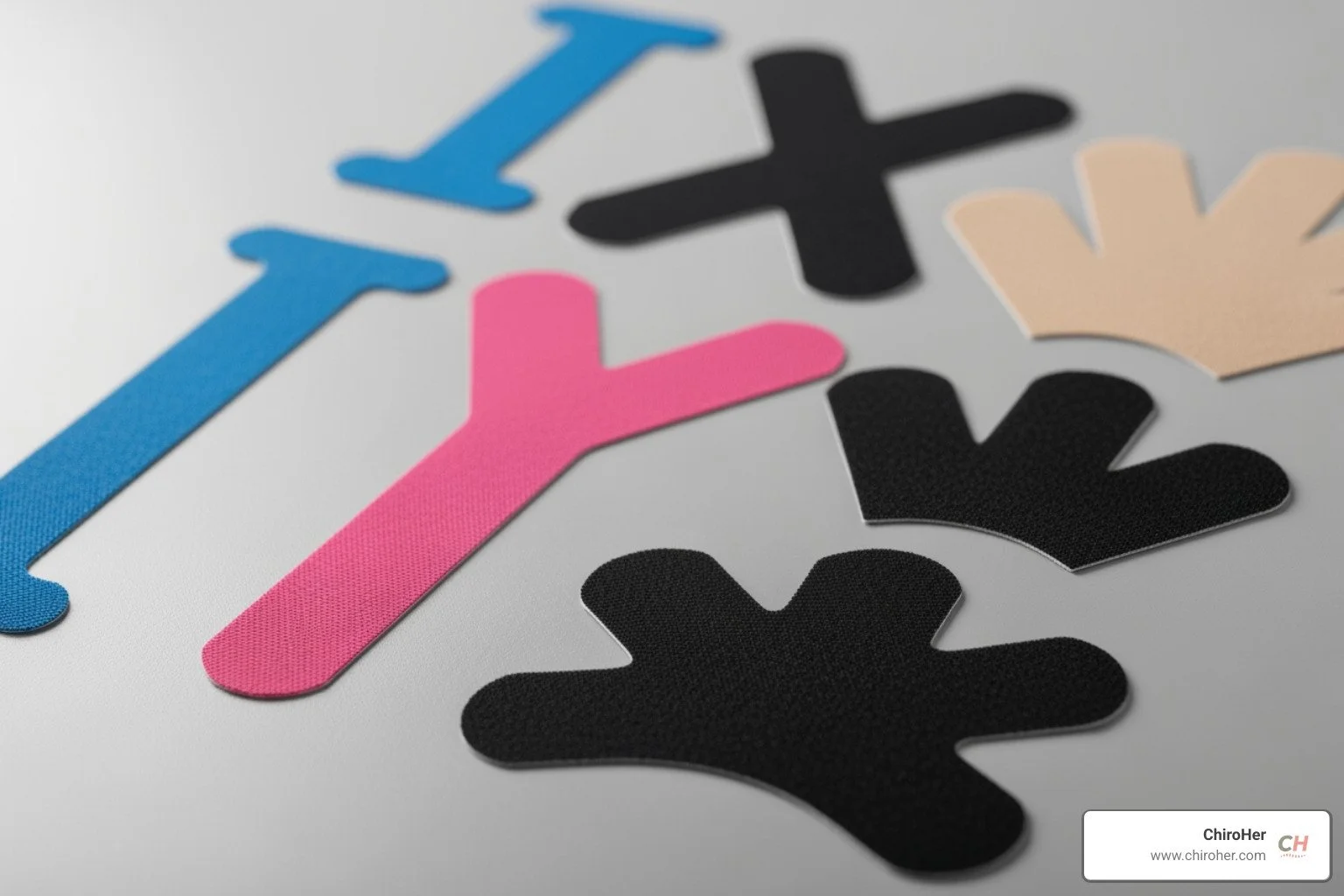
Understanding how to use kinesiology tape correctly is key to getting the most from it. While it looks simple, proper application matters.
DIY vs. Professional Application
Many people successfully apply tape at home for minor aches using online tutorials. However, for complex injuries or if you're new to taping, professional application is better. A trained chiropractor can assess your condition, identify the right muscle groups, and determine the correct tension and direction for optimal results. We often see patients experience greater relief after a clinical application compared to their own attempts.
A couple of common misconceptions: the tape's color is just for style, and it is not a rigid brace. It's a flexible material designed to support movement, not immobilize a joint.
Who Can Benefit and Common Application Areas
A wide range of people can experience kinesiology tape benefits:
Athletes for recovery and to support muscles during activity.
Desk workers for neck, shoulder, and back pain.
Pregnant women for back pain and abdominal support.
Elderly individuals to improve mobility and reduce pain.
People with repetitive-motion jobs to support overworked muscles.
Common application areas include the shoulders, knees, back, ankles, neck, and wrists. For specific guidance on wrist taping, see our article on Kinesio Tape for Carpal Tunnel Syndrome.
Safe Application and Removal
Proper technique is important to maximize benefits and prevent skin irritation.
To Apply:
Start with clean, dry skin, free of lotions. Trim hair if needed.
Measure and cut the tape, rounding the corners to prevent snagging.
Apply the first and last two inches (the "anchors") with no stretch.
Stretch the middle section according to your therapeutic goal.
Rub the tape vigorously to activate the heat-sensitive adhesive.
Wait at least 30-60 minutes before sweating or showering. For a detailed guide, see our article on how to apply kinesio tape.
To Remove: Soften the adhesive with warm water, baby oil, or lotion. Peel the tape back slowly in the direction of hair growth, pressing down on your skin as you go. Do not rip it off quickly.
When to Use Tape and When to Avoid It
While generally safe, the main risk is skin irritation. About 5-15% of users may have an allergic reaction, so if you have sensitive skin, a patch test is a good idea. Apply a small piece to your forearm for a couple of hours to check for a reaction.
You should avoid kinesiology tape in certain situations:
Over open wounds or broken skin.
If you have or suspect deep vein thrombosis (DVT).
Over areas with active cancer.
On fragile or very thin skin.
If you have a known adhesive allergy (a patch test is necessary).
If you have diabetes with reduced sensation.
In cases of severe edema.
The best way to ensure you're using tape safely is to work with a healthcare professional. At ChiroHer, serving Oklahoma City, Edmond, and surrounding areas, our team can determine if taping is right for you and apply it correctly. To discuss how taping can fit into your care, book your supportive taping consultation with us.
This guide is for informational purposes and is not a substitute for already established medical advice from your healthcare provider.