
Neck Pain from Sleeping: Your Guide to Relief and Prevention
Why You Woke Up With a Stiff Neck (And What to Do First)

Waking up with a stiff neck is a common problem. At any given time, 10 to 20 percent of adults experience neck pain. The good news is that most cases caused by poor sleep posture respond well to simple at-home care.
Quick Relief Steps for Neck Pain from Sleeping Wrong
Apply gentle heat - Use a warm towel or heating pad for 15-20 minutes to relax tight muscles
Try ice therapy first - If pain just started, apply ice for the first 24 hours to reduce inflammation
Perform gentle stretches - Slowly tilt your head side to side and roll your shoulders
Take over-the-counter pain relief - Ibuprofen or acetaminophen can help manage discomfort
Support your neck - Use a rolled towel or supportive pillow to maintain neutral alignment
This frustrating "crick in the neck" happens when muscles and ligaments in your cervical spine are strained, usually from an awkward sleeping position or an unsupportive pillow. It can derail your entire day, making it painful to simply turn your head.
The issue can be more than just one bad night. People with sleep disturbances are more likely to develop chronic neck pain. If left unaddressed, about half of all neck pain cases can become chronic.
Hi! I'm Dr. Michelle Andrews, founder of ChiroHer in Oklahoma City. I've helped hundreds of patients find lasting solutions for neck pain caused by sleeping wrong. Through personalized chiropractic care, sleep coaching, and lifestyle adjustments, we address the root cause of the pain, not just the symptoms.
How to Relieve Neck Pain from Sleeping Wrong: A Step-by-Step Guide
Understanding the Root Causes
Waking up with neck pain isn't just bad luck. It's often a clear signal that something in your sleep routine or daily habits is out of alignment. Let's explore the primary culprits that contribute to that morning stiffness.
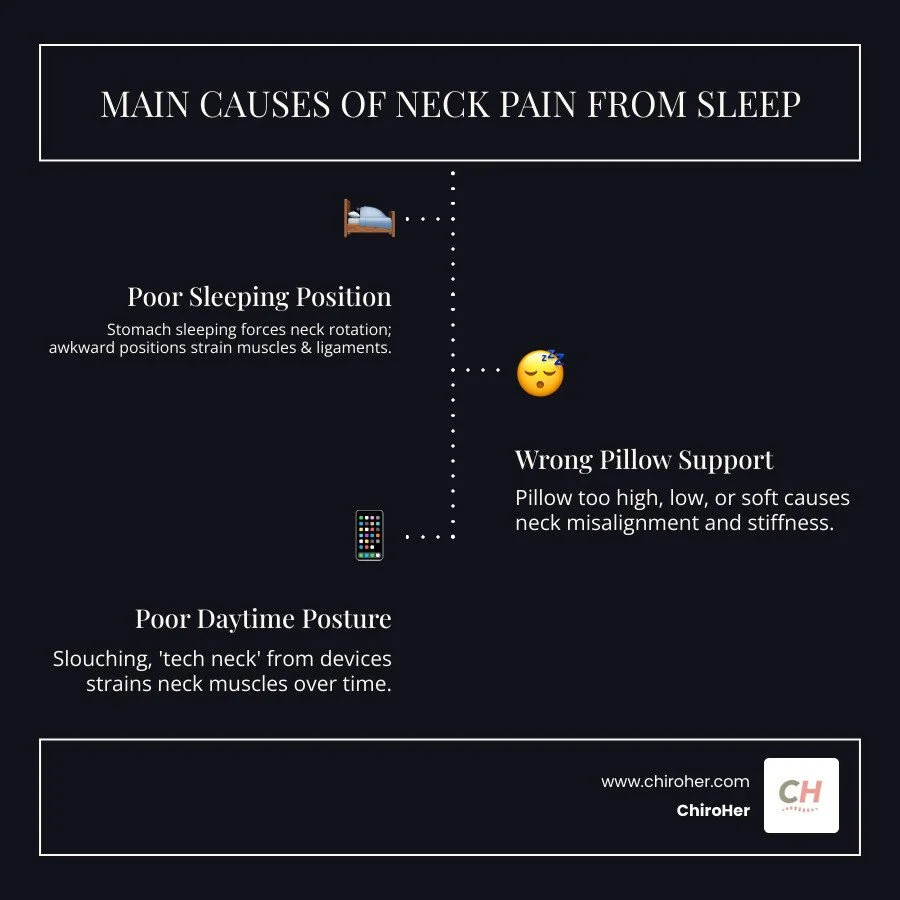
Sleeping Position: This is often the biggest factor.
Stomach Sleeping: This is the worst position for your neck. It forces your head to one side for hours, straining muscles and ligaments.
Side Sleeping: While better than stomach sleeping, this position can still cause neck pain if your pillow doesn't properly support your head, causing it to bend.
Back Sleeping: This is generally the best position, but only if your pillow maintains the natural curve of your neck. A pillow that's too high can push your chin toward your chest.
Pillow Problems: Your pillow is your neck's best friend or worst enemy.
Wrong Pillow Height: A pillow that is too high or low prevents your neck from staying in a neutral position. As research indicates, your sleeping position and pillow type can trigger a stiff neck.
Wrong Pillow Firmness: A pillow that's too soft won't provide enough support. One that's too firm can push your head out of alignment. Feather pillows, for example, often provide poor neck stability.
Mattress Quality: A sagging or overly soft mattress may not provide adequate support, pulling your spine and neck out of alignment. A mattress that's too firm can create pressure points.
Daytime Posture: Your daytime habits affect your neck at night. Poor posture while sitting at a desk or looking down at a phone ("tech neck") strains neck muscles. This stress accumulates, making your neck more vulnerable to pain during sleep.
Poor Sleep Quality: It's a cycle: neck pain disrupts sleep, and poor sleep worsens neck pain. People with sleep problems are more likely to develop chronic musculoskeletal pain because the body can't repair itself without restful sleep. One study found that poor sleep quality hinders recovery from chronic neck pain.
Immediate At-Home Remedies for a Stiff Neck
When you wake up with a "crick," immediate relief is often your first priority. Here are some simple, effective steps you can take right away:

Gentle Stretching: Move slowly and deliberately. Avoid any quick movements that could aggravate the pain.
Neck Tilts: Gently tilt your head towards one shoulder, holding for 15-20 seconds. Repeat on the other side.
Chin Tucks: Tuck your chin towards your chest, feeling a stretch at the back of your neck.
Shoulder Rolls: Roll your shoulders backward and downward to release tension.
Shoulder Blade Squeezes: Gently squeeze your shoulder blades together. These types of gentle stretches can be very helpful, as noted by the Cleveland Clinic. For more guidance, check out our insights on how to relieve neck pain and shoulder pain.
Heat and Cold Therapy:
Ice First (for acute pain): For the first 24-48 hours, use an ice pack wrapped in a towel for 15-20 minutes at a time to reduce inflammation and numb the pain.
Heat Later (for muscle relaxation): After 48 hours, switch to heat. A heating pad or warm shower can relax tight muscles and improve blood flow.
Over-the-Counter Medication: NSAIDs like ibuprofen or naproxen can help reduce pain and inflammation. Always follow dosage instructions.
Light Self-Massage: Gently massage the sore areas of your neck and shoulders with your fingertips. This can improve blood flow and ease stiffness.
How to Prevent Neck Pain from Sleeping Wrong with a Better Sleep Setup
Prevention is always the best approach. Optimizing your sleep environment is key to a pain-free morning.

Best Sleeping Positions:
Back Sleeping: This is generally the best position for spinal alignment.
Side Sleeping: Also a good option, but proper pillow support is key to fill the gap between your head and shoulder.
Avoid Stomach Sleeping: We strongly encourage you to change this habit. Try using body pillows to make side sleeping more comfortable.
Pillow Selection: A good pillow supports your neck's natural curve, keeping it aligned with your spine.
Cervical Pillows: These are designed to support the neck's curve, with a contour that cradles your head. A 2019 study found combining a memory foam pillow with chiropractic care was highly effective for chronic neck pain. We often recommend a cervical pillow to our clients in the Oklahoma City area.
Memory Foam Pillows: These conform to your head and neck, providing personalized support.
Feather Pillows: These often don't provide enough stable support and tend to flatten.
Pillow Height: Back sleepers should choose a thinner pillow. Side sleepers need a thicker pillow to fill the space between the head and shoulder. The goal is to keep your neck parallel to the mattress. For more detailed advice, explore our guide on the best pillow for neck and shoulder pain.
Mattress Firmness: Your mattress and pillow work together to support your spine.
Medium-Firm is Often Best: A medium-firm mattress usually offers the best balance of support and comfort.
Consider Your Body Type: Lighter individuals might prefer a slightly softer mattress, while heavier individuals may need firmer support. Side sleepers often benefit from a mattress with more give.
Building a Pain-Free Routine and Knowing When to Get Help
Long-Term Lifestyle Strategies for a Healthy Neck
Relieving neck pain from sleeping wrong isn't just about what happens in bed; it's also about your daily habits. Integrating these strategies can help prevent recurring pain.
Daytime Posture and Ergonomics: Your daily posture affects your neck at night.
"Tech Neck" Prevention: Keep your computer monitor at eye level, take frequent breaks, and hold your phone up to avoid craning your neck. Learn more about effective tech neck pain treatment.
Sitting and Standing: Maintain good posture while sitting, standing, or driving. Your ears should align directly above your shoulders. We offer correct posture exercises to help you maintain a healthy spine.
Strengthening Exercises: Building strength in your neck, shoulders, and upper back provides better support for your cervical spine.
Neck Strengthening: Gentle chin tucks and neck extension exercises can help.
Shoulder and Upper Back Strengthening: Exercises like shoulder blade squeezes and rows improve the musculature that supports your neck. We can guide you through therapeutic exercises custom to your needs.
Hydration: Staying well-hydrated is vital for the health of your spinal discs and soft tissues.
Stress Management: Stress causes tension in the neck and shoulders. Techniques like deep breathing, meditation, or acupuncture for stress relief can relax these muscles and prevent related headaches.
When At-Home Care Isn't Enough
While many cases of neck pain resolve with home remedies, it's important to seek professional medical attention at times.
Red Flag Symptoms: Be aware of these signs that warrant a visit to a healthcare provider:
Numbness or Tingling: Radiating numbness, tingling, or weakness into your arms or hands could indicate nerve compression.
Severe Headaches: Neck pain accompanied by severe, sudden, or unusual headaches.
Dizziness or Nausea: These symptoms, when paired with neck pain, should be evaluated.
Pain After an Injury: If your neck pain started after a fall or accident.
Fever or Unexplained Weight Loss: These could be signs of a more serious condition.
Persistent Pain: If home remedies don't help within a few days or the pain worsens, it's time to get it checked. The NHS provides guidance on when to seek medical help. Ignoring persistent pain can lead to chronic problems.
How Chiropractic Care Can Provide Lasting Relief
At ChiroHer, we believe in a holistic, patient-focused approach. If you're in Oklahoma City, Yukon, Edmond, Nichols Hills, Del City, Mustang, or Moore, and struggling with persistent neck pain, we're here to help.
Identifying the Root Cause: Our chiropractors conduct a thorough exam to find the exact cause of your pain. We look beyond symptoms to understand if it's a misalignment, an underlying issue, or a combination of factors.
Holistic Treatment Approach: Your personalized treatment plan may include:
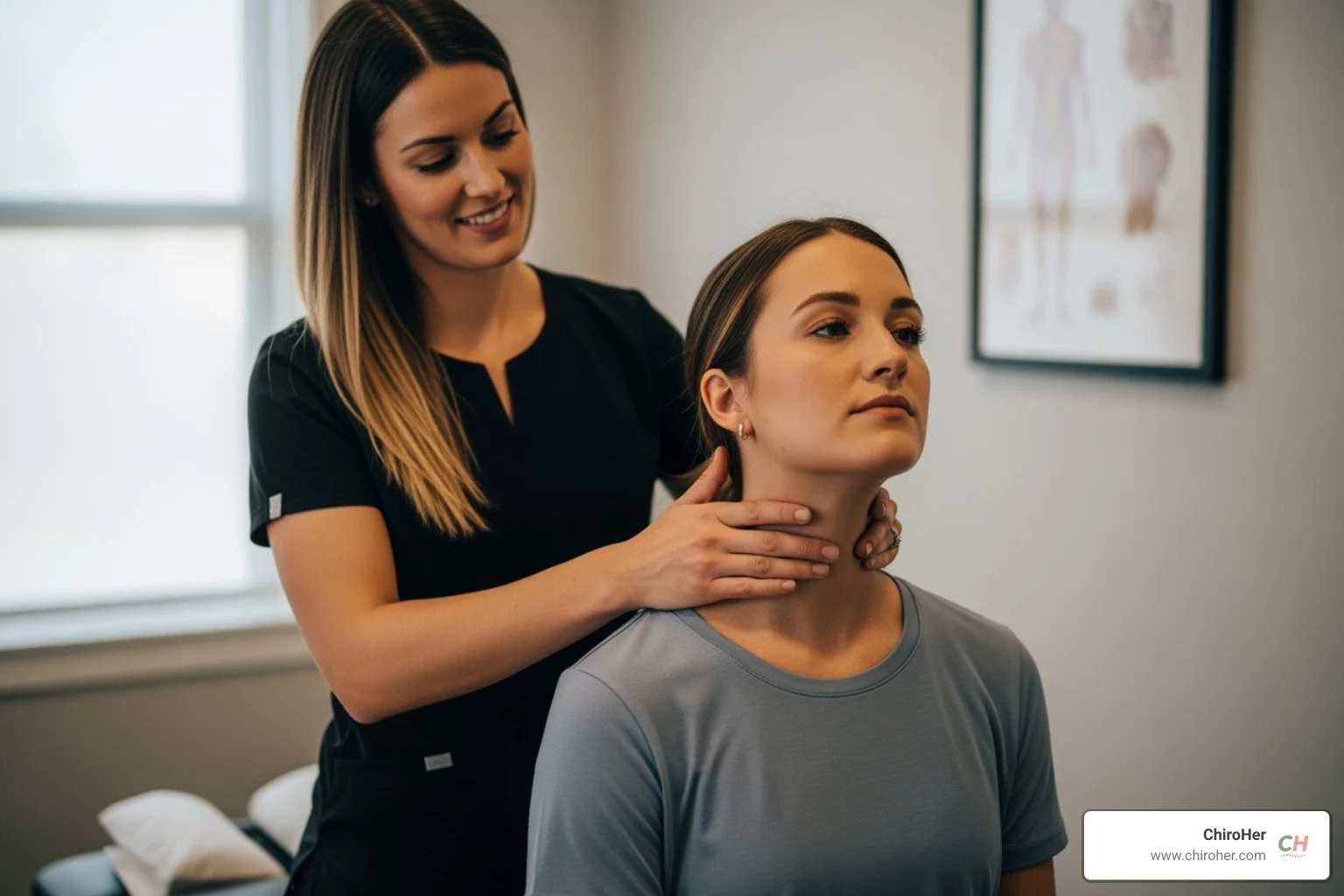
Chiropractic Adjustments: Gentle adjustments help restore proper alignment to your cervical spine, reducing nerve pressure. Learn more about chiropractic care for neck pain.
Spinal Manipulation: This technique helps improve joint mobility and relieve pain.
Manual Therapy: This can address muscle tension and improve flexibility.
Lifestyle Guidance: We provide practical advice on sleep posture, pillow selection, ergonomics, and exercises.
Patient-Focused Care: We provide award-winning, patient-focused care in a comfortable setting. We empower you with the knowledge to manage your neck health long-term, helping you find significant relief and reduce your reliance on pain medication.
Ready to address your morning neck pain? We invite you to schedule a consultation with us. Or, if you prefer, you can book now directly through our website.
Building Trust: What the Research Says

At ChiroHer, our approach to helping you relieve neck pain from sleeping wrong is informed by current research. We believe in empowering our patients with evidence-based information.
For instance, the link between sleep quality and chronic musculoskeletal pain is well-documented. A study published by Harvard Health highlights that poor sleep habits can worsen neck pain, emphasizing the importance of sleep position and pillow choice. The World Health Organization also lists back and neck pain as one of the most common disabling muscle or bone injuries.
Furthermore, research published in PubMed has investigated how specific sleep postures and pillow types can influence neck health. The Cleveland Clinic offers practical remedies for stiff necks, which align with our recommendations for immediate relief.
We review medical literature to ensure our patients receive effective, up-to-date care. Our commitment is to provide relief and a deeper understanding of how to maintain your health.
This guide is for informational purposes and is not a substitute for already established medical advice from your healthcare provider.