
Beyond the Brace: Uncovering Effective Carpal Tunnel Relief Creams
Finding Comfort from Carpal Tunnel Pain

Carpal tunnel relief cream offers a non-invasive way to manage the pain, tingling, and numbness that comes with carpal tunnel syndrome. Here's what you need to know:
Quick Guide to Carpal Tunnel Relief Creams:
- What they do: Provide localized pain relief by numbing nerves and reducing inflammation in the wrist.
- Key ingredients: Lidocaine (numbing), menthol (cooling), arnica (anti-inflammatory), and boswellia (pain relief).
- How to use: Apply 2-4 times daily to clean, dry skin on the palm side of your wrist.
- Best for: Mild to moderate symptoms, temporary relief, and as part of a comprehensive treatment plan.
- Expected relief: 15-30 minutes of symptom reduction per application.
Carpal tunnel syndrome affects up to 3% of adults, with women being more likely to develop it. The numbness and pain can make simple tasks like buttoning a shirt or typing an email feel impossible. These daily struggles don't have to define your routine.
Hi! I'm Dr. Michelle Andrews, founder of ChiroHer in Oklahoma City. I've worked with hundreds of patients seeking drug-free pain relief for conditions like carpal tunnel syndrome. Through my practice, I've seen how carpal tunnel relief cream can be an effective part of a holistic treatment approach when combined with proper chiropractic care and lifestyle adjustments.
Your Guide to Carpal Tunnel Relief Cream
For many of our patients in Oklahoma City, Yukon, Edmond, and surrounding areas, finding effective relief from carpal tunnel syndrome is a top priority. While wrist splints and other therapies are important, topical solutions like carpal tunnel relief cream can offer targeted comfort. Let's explore how these creams work and what to look for.
Understanding Carpal Tunnel Syndrome and Its Symptoms
Carpal tunnel syndrome (CTS) is a common condition that causes pain, numbness, and tingling in the hand and arm. It occurs when the median nerve, which runs from your forearm into your hand, becomes compressed within the narrow carpal tunnel of your wrist.
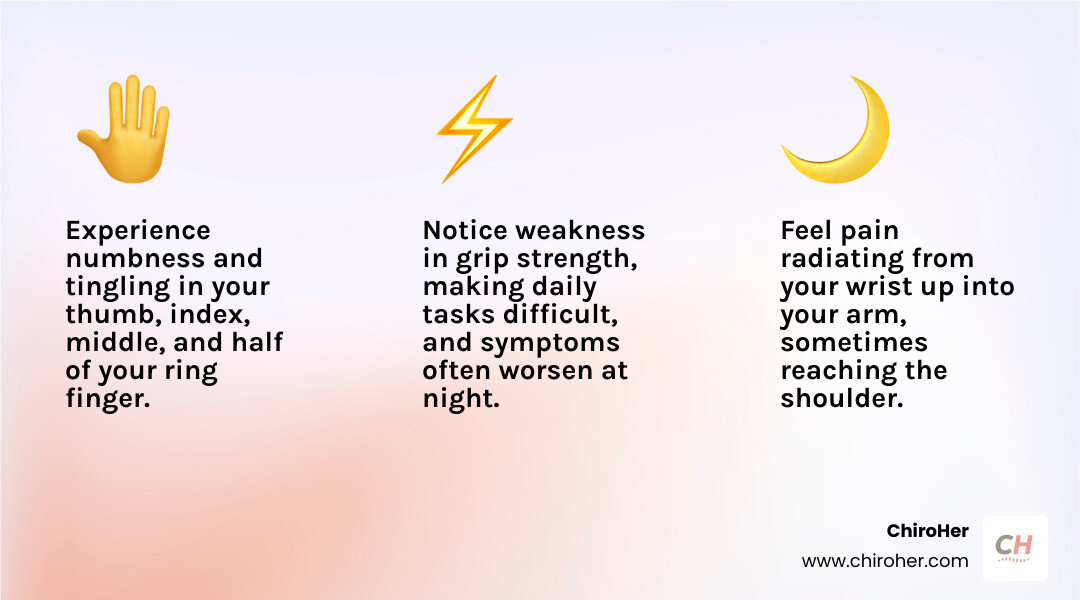
- Common symptoms: The hallmark symptoms of CTS include numbness, tingling, and a "pins and needles" sensation in the fingers and hand. Patients often report pain in the wrist and hand that can radiate up the arm. You might also experience hand weakness, making it difficult to grip objects. These symptoms frequently worsen at night.
- Risk factors: Several factors can increase your risk of developing carpal tunnel syndrome. Occupational factors, such as repetitive hand and wrist movements, are strongly associated with an increased risk. Other risk factors include certain medical conditions like diabetes, arthritis, and obesity. Pregnancy is another common cause due to hormonal changes and fluid retention.
- Scientific research on Carpal Tunnel Syndrome: For more in-depth information on the condition, its causes, and various treatments, we recommend reviewing resources from the National Institute of Neurological Disorders and Stroke (NINDS).
How a Carpal Tunnel Relief Cream Can Help
For many, a carpal tunnel relief cream can be a valuable part of their pain management strategy. These topical solutions work by targeting the affected area directly, offering localized relief.
- Mechanism of action: Topical pain relief creams generally work through two primary mechanisms: numbing the area to block pain signals and reducing inflammation to ease pressure on the median nerve.
- Localized relief: When applied to the skin, the active ingredients are absorbed into the underlying tissues. This localized delivery means the medication acts precisely where it's needed most, which is a significant advantage over oral medications that affect the entire body.
- Benefits over oral medication: Using topical creams instead of oral pain medications, such as NSAIDs (ibuprofen, naproxen), can reduce the risk of systemic side effects. While oral NSAIDs can be effective, long-term use can pose risks to the heart, kidneys, and liver. A carpal tunnel relief cream offers a safer alternative for managing symptoms.
Key Ingredients to Look For
When choosing a carpal tunnel relief cream, understanding the active ingredients can help you make an informed decision.
- Lidocaine: A local anesthetic that provides a numbing effect by blocking nerve signals, offering temporary relief from pain and tingling.
- Menthol & Camphor: These ingredients act as counterirritants, creating a cooling or warming sensation that distracts the brain from pain signals and provides a soothing feeling.
- Arnica: A natural ingredient known for its anti-inflammatory and pain-relieving properties. It's often used to reduce swelling and muscle soreness.
- Boswellia: Also known as Indian frankincense, this natural extract has potent anti-inflammatory effects, helping to reduce swelling and pain.
- Diclofenac Sodium: A topical non-steroidal anti-inflammatory drug (NSAID) that reduces the production of chemicals in the body that cause inflammation and pain.
Choosing a Carpal Tunnel Relief Cream for You
Selecting the right carpal tunnel relief cream involves considering the formulation and ingredients that suit your needs.
| Cream Type/Format | Pros | Cons | Ideal For |
|---|---|---|---|
| Creams/Lotions | - Deeply moisturizing | - Can be greasy or leave residue | - General application, overnight use, dry skin |
| - Often contain multiple active ingredients | - May require more extensive rubbing | - Individuals seeking comprehensive relief with a blend of compounds | |
| Roll-ons | - Mess-free application | - Limited product volume per application | - On-the-go relief, quick reapplication during the day |
| - Convenient and portable | - May not cover large areas as effectively | - Those who prefer not to touch the cream directly | |
| Gels | - Quick absorption | - Can sometimes be drying to the skin | - Fast-acting relief, use under clothing or braces, oily skin |
| - Non-greasy finish | - May have a stronger scent | - Individuals who need rapid relief without residue |
- Factors to consider:
- Ingredient concentration: Higher concentrations may offer stronger relief but can also increase the risk of side effects. Always check the label.
- Skin sensitivity: If you have sensitive skin, opt for creams with fewer synthetic fragrances or dyes, and consider doing a patch test first.
- Brand reputation and reviews: Look for products with consistently positive feedback. While reviews can be helpful, be aware that results vary from person to person. Look for common themes in what users are saying.
Application and Safety Precautions
Proper application of a carpal tunnel relief cream is key to maximizing its effectiveness.
- How to apply for maximum effectiveness:
- Clean and dry skin: Always start by washing and thoroughly drying the area.
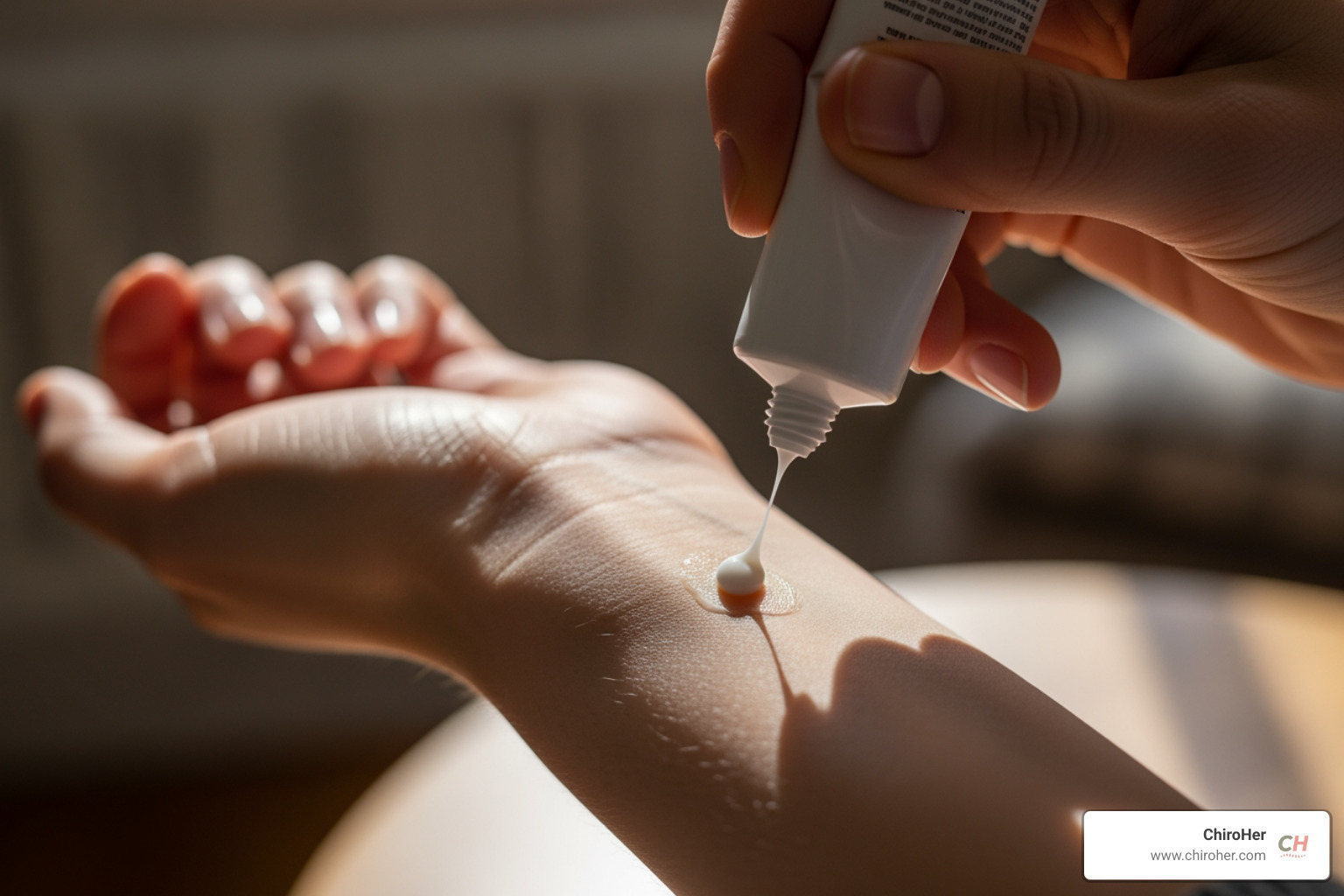
- Massage technique: Apply a small amount of cream to the palm side of your wrist and fingers, gently massaging it into the skin until fully absorbed.
- Frequency of use: Most creams recommend applying 2-4 times daily, or as directed on the product label.
- Potential side effects: While generally safe, local reactions can occur, such as redness, itching, or a rash. Discontinue use if you experience any adverse reactions. Avoid applying creams to broken or irritated skin.
- When to consult a doctor: We recommend consulting a healthcare professional if:
- Your symptoms do not improve or worsen after a couple of weeks.
- You experience constant numbness or weakness in your hands.
- Your symptoms are affecting your ability to perform daily tasks.
- You notice any muscle wasting at the base of your thumb.
A Holistic Approach to Managing Carpal Tunnel

At ChiroHer in Oklahoma City, we believe in a comprehensive, holistic approach to managing carpal tunnel syndrome. While a carpal tunnel relief cream can be a helpful tool for symptom management, it is most effective when integrated into a broader treatment plan that addresses the root causes and supports overall wrist health.
Integrating Creams with Other Supportive Therapies
Managing carpal tunnel syndrome often requires a multi-faceted strategy. Topical creams can work synergistically with other therapies to provide more complete and lasting relief.
Complementary treatments offered at ChiroHer:
- Wrist splints: Wearing a wrist splint, especially at night, keeps the wrist in a neutral position, reducing pressure on the median nerve. Creams can be applied before putting on a splint to improve comfort.
- Physical therapy: Targeted exercises and stretches can improve nerve gliding, strengthen supporting muscles, and increase flexibility in the wrist and hand.
- Ergonomic adjustments: Modifying your workstation or daily activities to maintain a neutral wrist position and reduce repetitive strain is vital for preventing symptom flare-ups.
- Chiropractic care: Our chiropractic services at ChiroHer focus on ensuring proper alignment of the wrist, elbow, shoulder, and neck, as nerve issues can sometimes originate from the spine. We use gentle adjustments to improve nerve function and reduce tension. Learn more about how we can help with our chiropractic services.
- Acupuncture for pain relief: Acupuncture can be an effective way to alleviate pain and reduce inflammation associated with CTS. Find the benefits of acupuncture.
The ChiroHer Approach: We pride ourselves on offering award-winning, patient-focused care in an upscale, comfortable setting. Our goal is not just to alleviate your immediate pain, but to empower you with strategies and tools for long-term wellness. We work with you to understand your lifestyle, identify contributing factors, and develop a sustainable plan for relief and prevention.
Building Trust: What the Research Says

We understand that when it comes to managing pain, you want solutions that are backed by credible information. Our recommendations for incorporating carpal tunnel relief cream and other therapies are guided by current research and medical understanding.
Summary of Research on Topical Relief:
- Topical pain relief creams are a popular option for non-invasive pain management.
- Ingredients like lidocaine act as local anesthetics, providing a numbing effect.
- Natural compounds such as arnica and boswellia are often included for their anti-inflammatory properties.
- Medicated gels containing diclofenac sodium have been shown to reduce pain and swelling with consistent use.
- A systematic review of conservative treatments for carpal tunnel syndrome highlighted strong evidence for local steroid injections and moderate evidence for the effectiveness of splints. While this review didn't specifically detail topical NSAID creams, other sources confirm their use for localized pain and inflammation.
Reputable Sources: We encourage our patients to seek information from trusted medical organizations. For a comprehensive overview of carpal tunnel syndrome, its diagnosis, and treatment options, we recommend resources like the Mayo Clinic.
Our Evidence-Based Care: At ChiroHer, our practice is rooted in evidence-based care. We integrate the best available research with our clinical expertise and your individual needs. We evaluate the effectiveness and safety of various treatments, including carpal tunnel relief cream, to provide you with the most appropriate and effective care plan. Our goal is to empower you with knowledge and tools to manage your carpal tunnel syndrome and improve your quality of life.
This guide is for informational purposes and is not a substitute for already established medical advice from your healthcare provider.